Wine Tourism and Trails: Key Insights from Hawke’s Bay
27 May, 2026 - Hanne Norvag Thomas
In January 2026, I had the opportunity to travel to Hawke’s Bay, New Zealand through the Great Wine Capitals OKE Bursary Program. The purpose of the trip was to gain fresh insights and ideas to help shape the future of Langhorne Creek’s wine and tourism development. Despite some weather challenges, every meeting, tasting and trail ride proved essential in identifying strategies to further enhance our own region’s tourism offerings.
Why Hawke’s Bay?
Langhorne Creek and Hawke’s Bay share many similarities in its sizes, climates and dominant grape varieties. Hawke’s Bay is however much further developed in terms of tourism infrastructure such as cellar doors, restaurants, accommodation and walking / bike trails. Its well-established reputation as a world-class premium wine destination positioned it as an ideal benchmark for future growth of Langhorne Creek.
One of the key motivations for this visit was to learn from Hawke’s Bay’s success in developing its tourism offerings. While Langhorne Creek has received numerous top national wine accolades, including Jimmy Watson trophies and James Halliday awards, the region remains somewhat unrecognised on the national and international stage. Langhorne Creek is home to several fantastic wineries, but we’re still in the early stages of building a robust tourism infrastructure. Expanding our cellar doors, restaurants and visitor experiences remains a top priority and this trip offered a great opportunity to add to our knowledge and gather inspiration necessary for that growth.
In 2025, Langhorne Creek received a $7million federal government grant to build a new tourism Discovery Trail through the region, offering an excellent pathway to boost visitation and further tourism development. The opportunity to connect with the people behind Hawke’s Bay Trails was therefore also an important focus of the visit.
Monday: Craggy Range and Premium Tasting Experiences
The first stop on my journey was Craggy Range, a family-owned estate that offers a cellar door, restaurant and accommodation. I was taken on a tour of the stunning estate, showcasing the tasting room, restaurant and kitchen garden, and offering plenty of exciting and sustainable ideas that would resonate well with our Langhorne Creek cellar door members. The restaurant at Craggy Range currently grows around 60% of its fruits and vegetables on-site and aims to be the first 100% farm-to-plate experience in New Zealand.
The highlight of this visit was a special tasting experience in the Giants Estate tasting room. Paired with small dishes, the tasting featured Craggy Range’s flagship wines and was concluded in the winery’s beautiful barrel room and cellars. The overall experience was intimate and bespoke, and highlighted that such personalised, high-end tasting experiences are becoming increasingly important to stand out in the competitive wine tourism market.
Tuesday: Sustainability and Contemporary Cellar Doors
Sustainability was a common thread throughout my visit. At Te Mata Estate, one of the original members of Sustainable Winegrowing New Zealand, I learned about their commitment to regenerative soil health through organic and biodynamic principles. This philosophy is paired with their strong social media presence, where the team uses animals like their highland cows (and adorable calf Mabel) to connect with their audience.
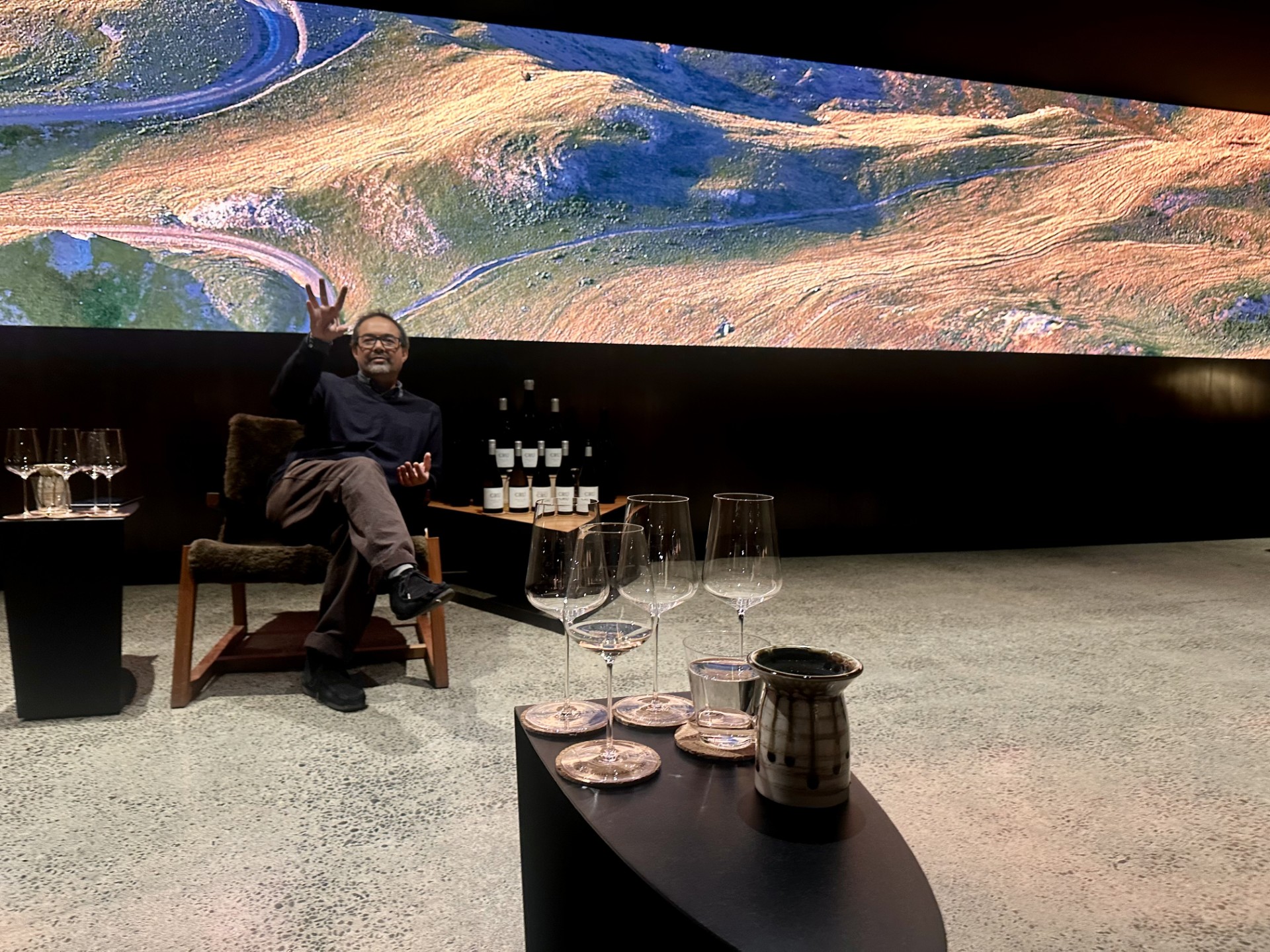
Later in the day, I visited Pask Winery, offering a more contemporary wine-tasting atmosphere, with a modern design and a wine bar vibe. The winery often features in local art, food and wine festivals and this fusion of culture and contemporary wine tourism continues to be a great way to introduce the younger generations to wine. My final stop for the day, Smith & Sheth, delivered another beautifully tailored premium tasting experience, featuring a 2m x 11m screen in their famous Wine Studio telling the story of the winery, region and connection to local indigenous culture.
Wednesday: Hawke’s Bay Trails
Wednesday provided another key takeaway when I met with the trail manager from Hawke’s Bay Trails. Despite the weather preventing us from getting on the bikes to explore some of the 250km trail network, I had the chance to learn about the development, challenges and intricacies of their tourism trail model. The trails are strategically designed with a mix of on-road and off-road sections, passing through suburban zones, connecting towns, subregions and local businesses. Hawke’s Bay Trails engage wineries, restaurants and other stakeholders by offering them a chance to be official partners through map listings and advertising, making the trails an effective tool for driving local tourism.
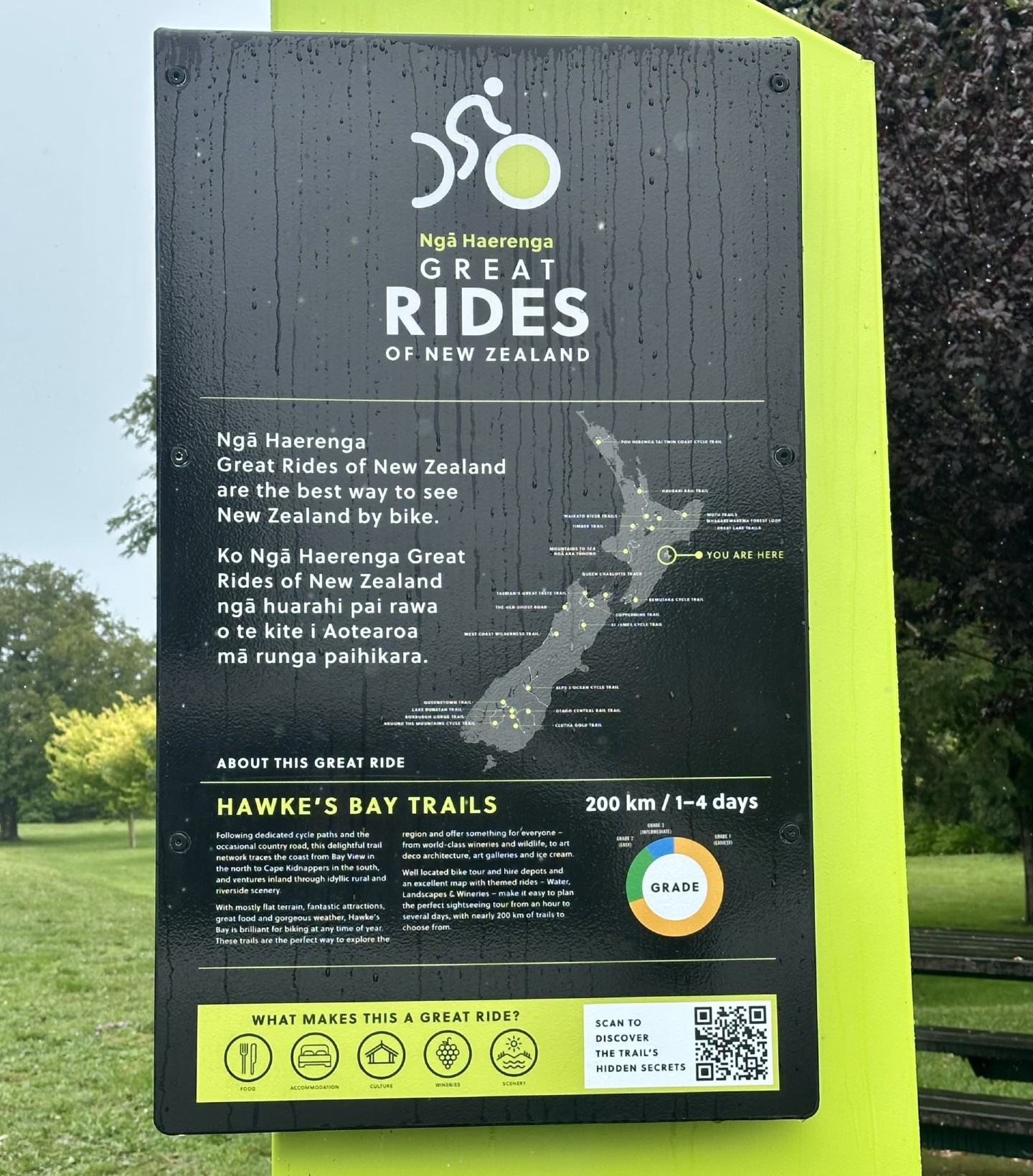
This experience provided invaluable insight into how we can develop our own trail network while ensuring that local wineries, restaurant and other businesses are included in a meaningful way.
Thursday: Church Road Winery and Mission Estate
On Thursday, the weather finally cleared enough for me to get on a bike to explore the Water Ride Trail (aptly named as it was still raining and flooding in parts) to visit a couple of the region’s original wineries.
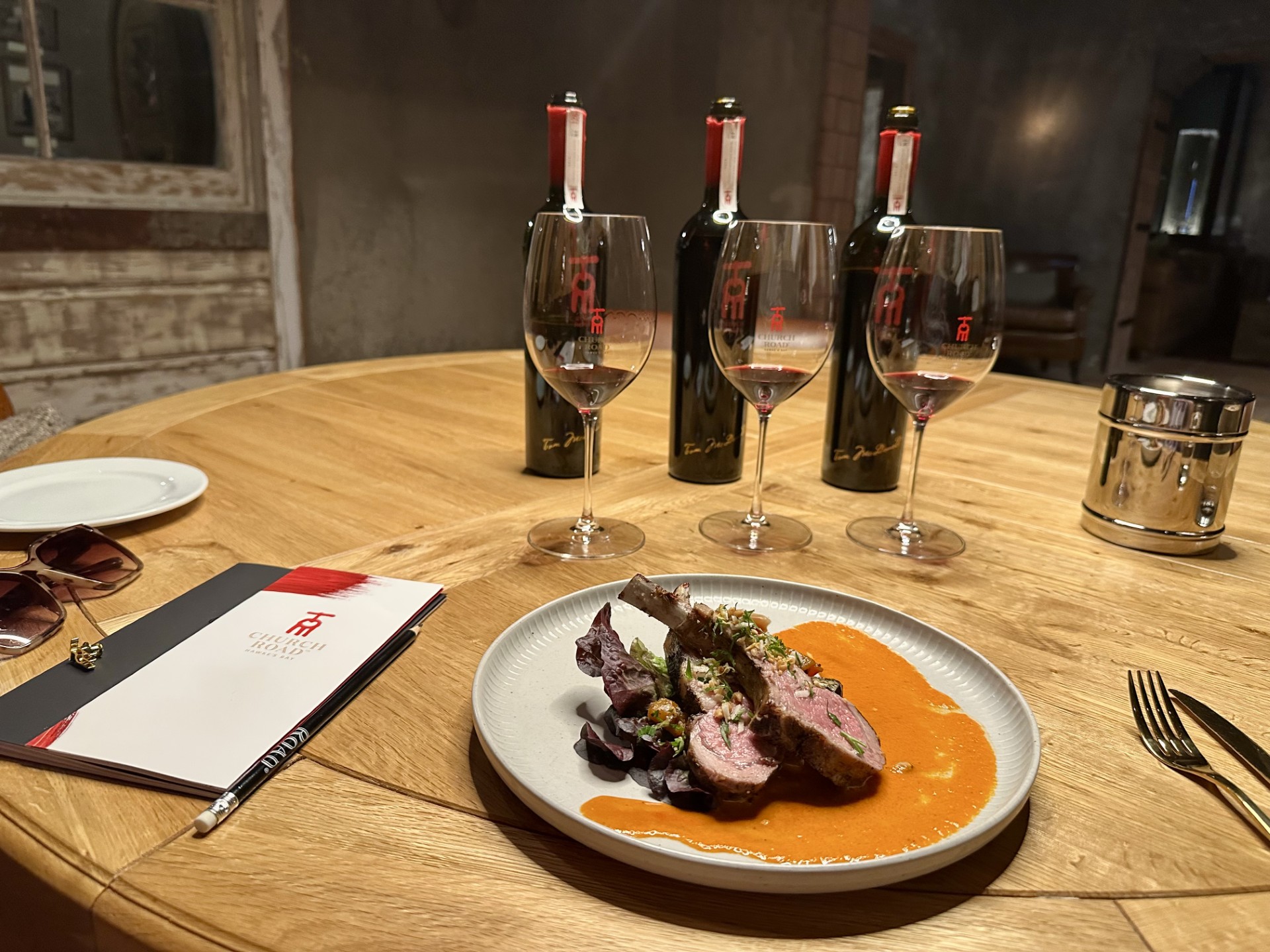
I started off with a visit to Church Road Winery and their famous TOM Experience, an immersive wine flight designed to showcase the unique Gimblett Gravels soils and the sophisticated winemaking practices behind their flagship wines.
The final stop was Mission Estate, which offers a stunning view of the region’s vineyards from its historic, restored seminary building. Again, a great example of a cellar door that successfully combines a rich history with modern, elevated wine tourism experiences.
These two visits offered further examples of premium educational tasting experiences that can be adopted in Langhorne Creek to help visitors connect more deeply with our wines and the land that produces them.
Taking Lessons Home
The lessons learned from my time in Hawke’s Bay proved invaluable to help develop and drive Langhorne Creek’s own tourism strategy. We can draw inspiration from the premium, personalised tasting experiences and the community-focused trail model of Hawke’s Bay Trails. The key will be ensuring our trail is accessible, well-connected, and showcases our region’s wineries, restaurants, and local culture. Working alongside local government and the Ngarrindjeri nation will also be essential in honouring our indigenous heritage, just as Hawke’s Bay has worked successfully with the Māori community.
The wine industry is facing numerous challenges but with strategic investments in tourism infrastructure and a focus on high-quality visitor experiences, Langhorne Creek can build its own unique identity as a wine destination. I look forward to sharing these insights with the South Australian wine industry and taking the next steps in shaping Langhorne Creek into a world-class wine tourism destination.
Hanne Norvag Thomas is the Marketing & Promotions Manager for Langhorne Creek Grape & Wine Inc.
Hanne was supported by the Great Wine Capitals Outbound Knowledge Exchange bursary program.
Photos from Hanne Norvag Thomas