La Rioja: Lessons in sparkling
29 May, 2025 - Kate Laurie
After an unforgettable trip to Rioja, it’s safe to say that the region offered far more than stunning vineyards and warm hospitality—it delivered a masterclass in possibility. With gratitude to the local producers and viticulturists who opened their doors (and bottles), I’m excited to share insights from a region reshaping the possibilities of sparkling wine.
In 2017, Rioja launched its own classification for sparkling wines under the DOCa Rioja Appellation, a bold signal to the world that they were very serious about the quality of the sparkling wines they can produce.
Sparkling wines are often associated with cool climates and the go-to grapes of Champagne. But Rioja – Mediterranean in climate and with a suite of indigenous varieties – is proving that Viura, White Grenache, White Tempranillo, Maturana Blanca, and Grenache are more than up to the task.
With many South Australian wine regions sharing similar Mediterranean climatic conditions, Rioja presented an ideal opportunity to examine what lessons might translate back home.
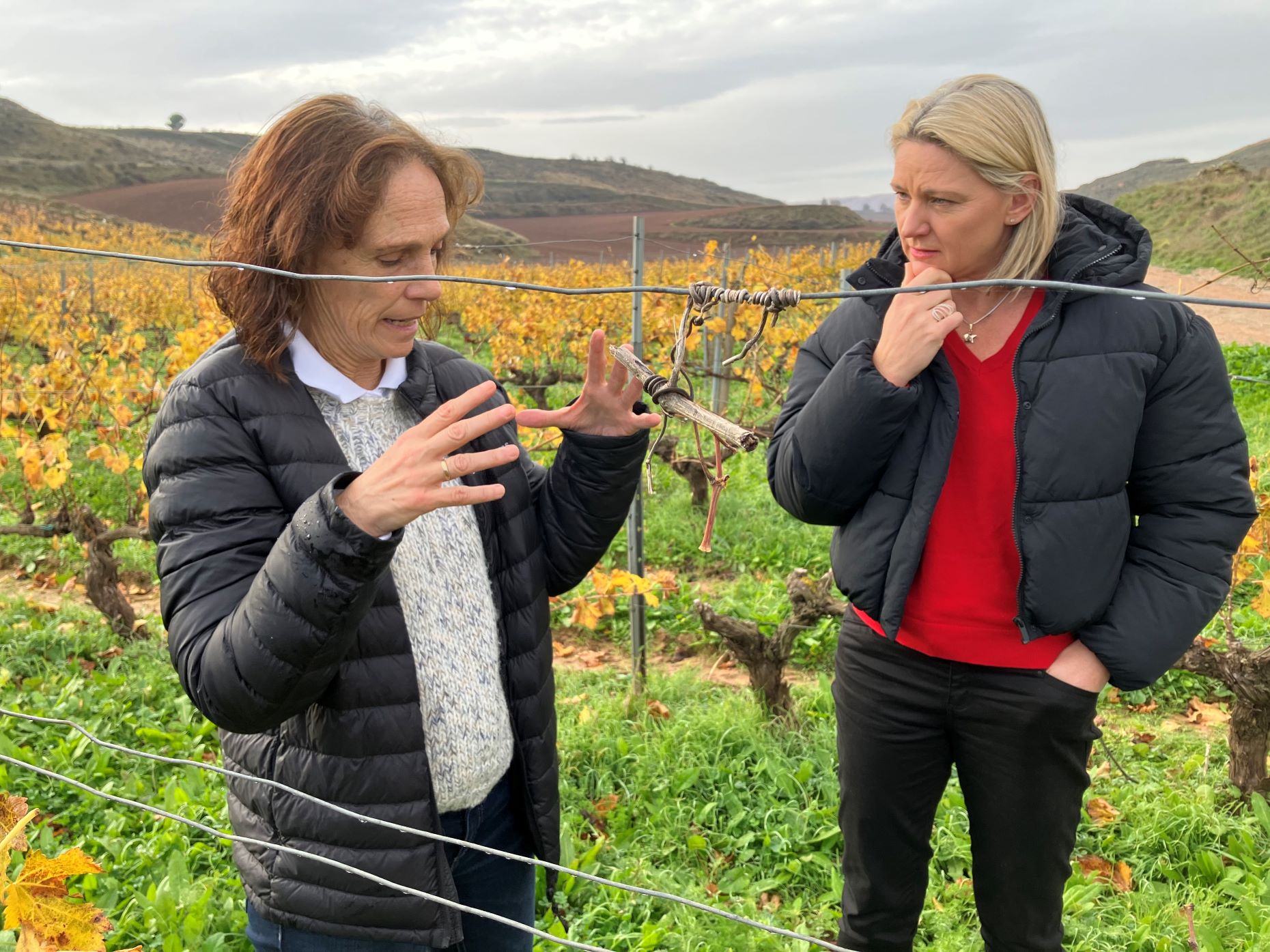
My visit was designed to go deep, timed just after the harvest of 2024 so I could taste fresh ferments of each variety as well as see finished, lees aged, traditional method sparklings. I met the trailblazers of Rioja’s sparkling movement, including Rafael Vivanco, the pioneer behind the DOCa’s 2017 change. I tasted single-varietal sparklings from a range of microclimates across Rioja Alta and Rioja Oriental.
The diversity in site, soil, and winemaking style was matched only by the multiplicity in varietal flavour. The later ripening Viura with lemon pith and pear notes was a great contrast to the riper tropical and floral notes of Tempranillo Blanco.
Maturana Blanca - only recently being resurrected in the region - was so exciting, with orange peel, spice, flint and awesome texture.
An absolute gamechanger however was seeing the multi-faces of Grenache. A variety I already had in my heart but now is in my head! To see how versatile this grape is across all sparkling styles was enlightening. The same way I work with Pinot Noir for sparkling white and rose wines in the Adelaide Hills, there are many wineries in Rioja working their magic with Grenache to produce both sparkling Blanc de Noirs and sparkling rose.
I have no doubt that many of these Rioja varieties have potential in different sites of South Australia. As Grenache and Grenache Blanc are already planted here, they stand at the top of the list for trials for sparkling wine. Viura (Macebau) is available through the CSIRO plant database so could be turned into viable plantings faster than a new import.
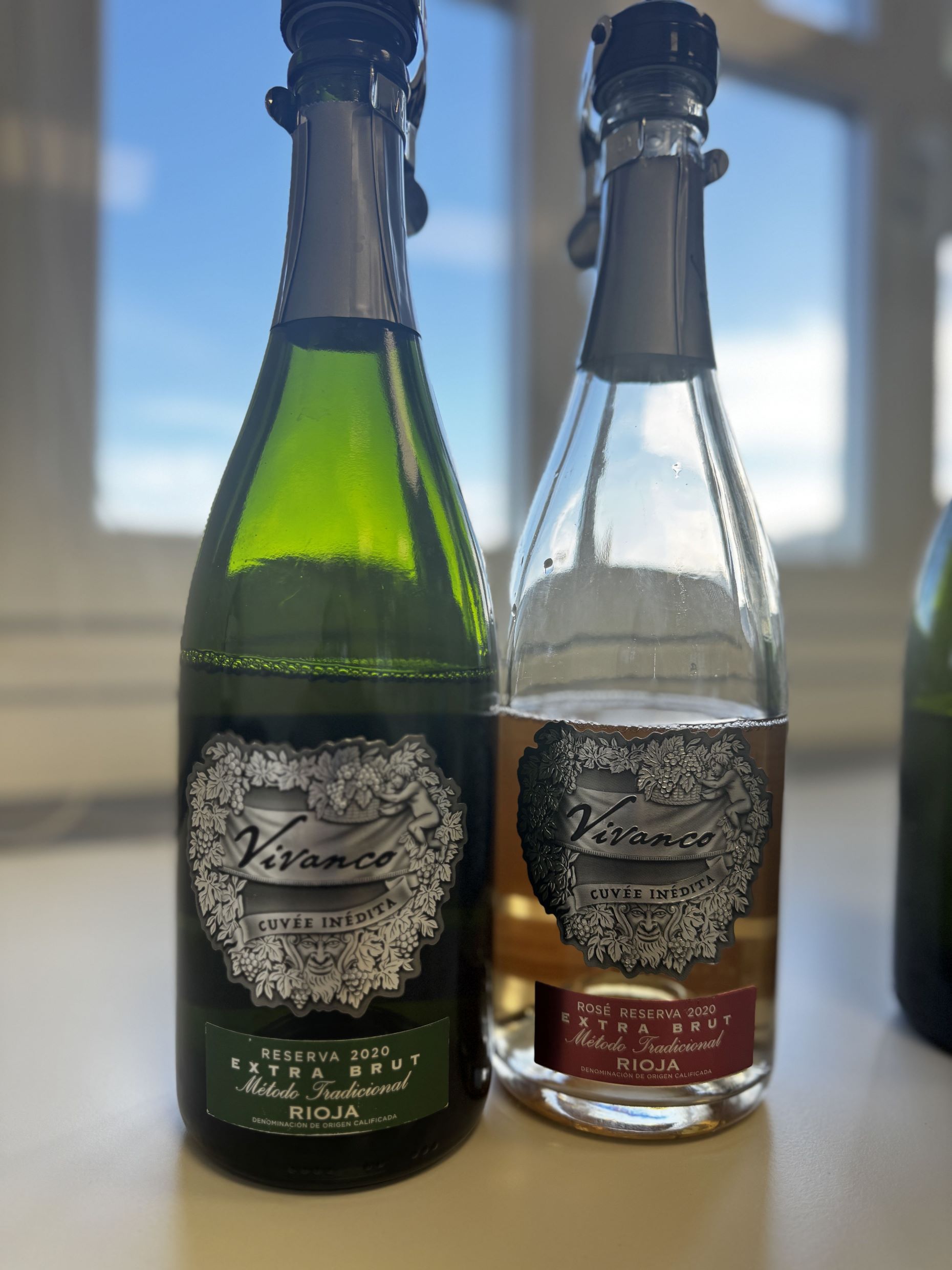
Regions like McLaren Vale, Barossa Valley, and Langhorne Creek share a more similar heat profile and rainfall to Rioja Oriental, while the Adelaide Hills and Padthaway reflect the cooler, more Atlantic-influenced Rioja Alta. As both these regions in Rioja work with all the same varieties, it shows that the real key to getting the match right is in understanding microclimate, altitude, and prevailing winds – lessons Rioja producers have deeply embraced.
In the next couple of months, I’ll be hosting a tasting and knowledge-sharing session with winemakers eager to explore new sparkling frontiers. Rioja has showed us that with the right mindset, climate, and varietals, we don’t have to follow anyone else’s sparkling script. We can write our own.
Kate was supported by the Great Wine Capitals Outbound Knowledge Exchange bursary program.
Photos: Kate Laurie