Identity is a Living Story: Authenticity and Adaptation in Bordeaux
27 May, 2026 - Sarah Carlson
Ask most wine lovers to picture Bordeaux, and an image comes to mind: grand châteaux, centuries-old classifications, and deep, age-worthy reds destined for cellars and investment portfolios. It is a region that seems, from a distance, to know exactly who it is.
So what happens when the world stops drinking what you've spent decades perfecting?
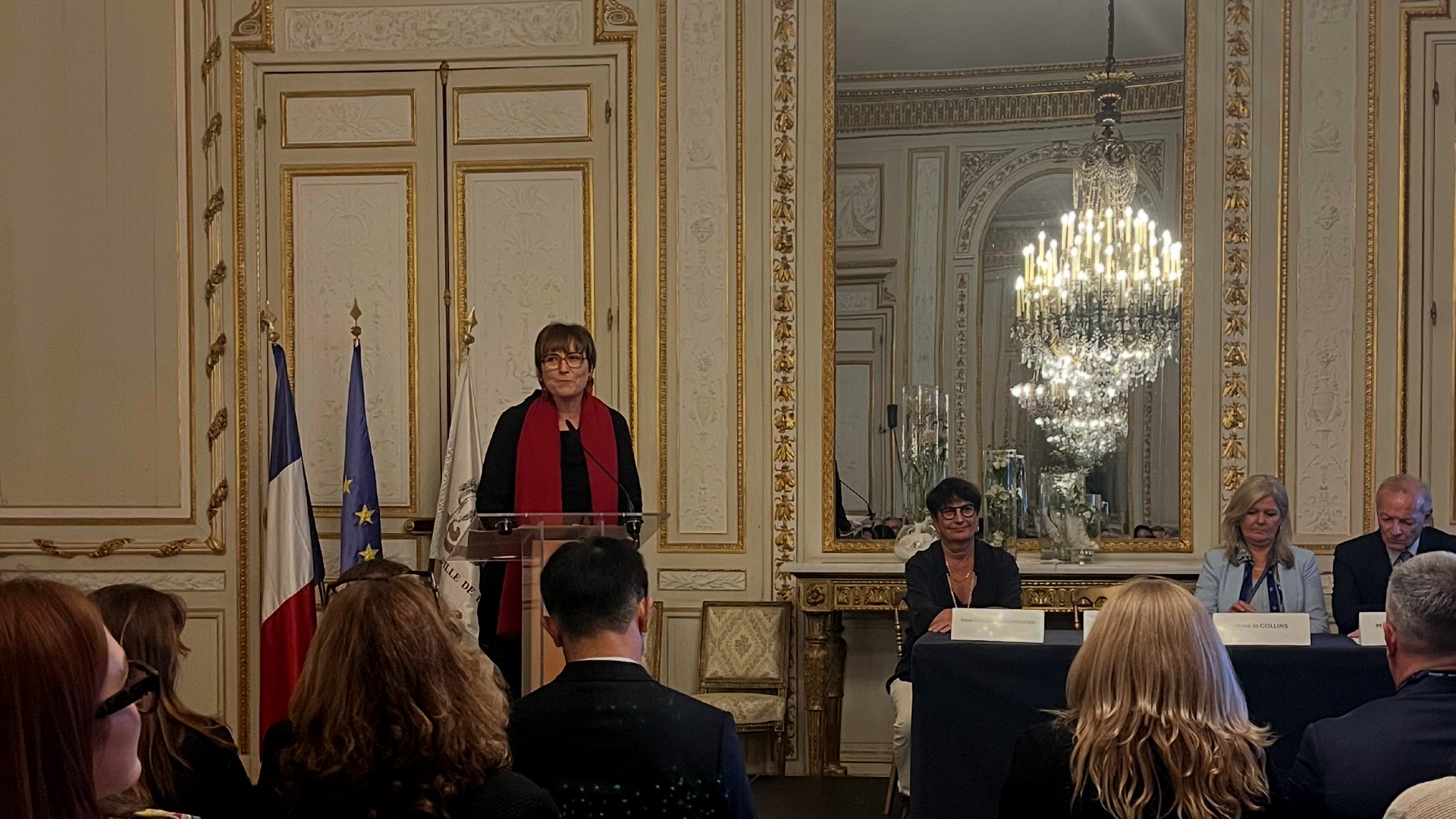
That question sat at the heart of a series of conversations I conducted in Bordeaux in November 2025 with the support of a Great Wine Capitals bursary. Over two weeks of visits and interviews – with city councillors, communication directors, wine tourism operators, winemakers, and researchers at Kedge Business School – a nuanced picture emerged. Not of a region in the midst of an identity crisis, but something altogether more interesting: genuine reinvention.
What the wine world is experiencing is not a crisis with a clear beginning and end but a structural shift in the way people drink. The styles that have most recently been Bordeaux's international calling card are precisely those seeing the steepest decline, with younger drinkers gravitating towards lighter, fruitier, and sparkling wines.
There is an irony at the heart of this. Bordeaux produced predominantly white wines until the 1970s, and its identity as a region synonymous with deep, tannic reds is, in historical terms, relatively recent. In a sense, Bordeaux is being asked to remember who it was before it became who it is.
And yet the consistent message from across the conversations was this: Bordeaux is not having an identity crisis. Its foundations – a distinctive maritime terroir, centuries of blending expertise, and a historic international openness stretching back to Eleanor of Aquitaine – remain intact. What is shifting is the expression of that identity.
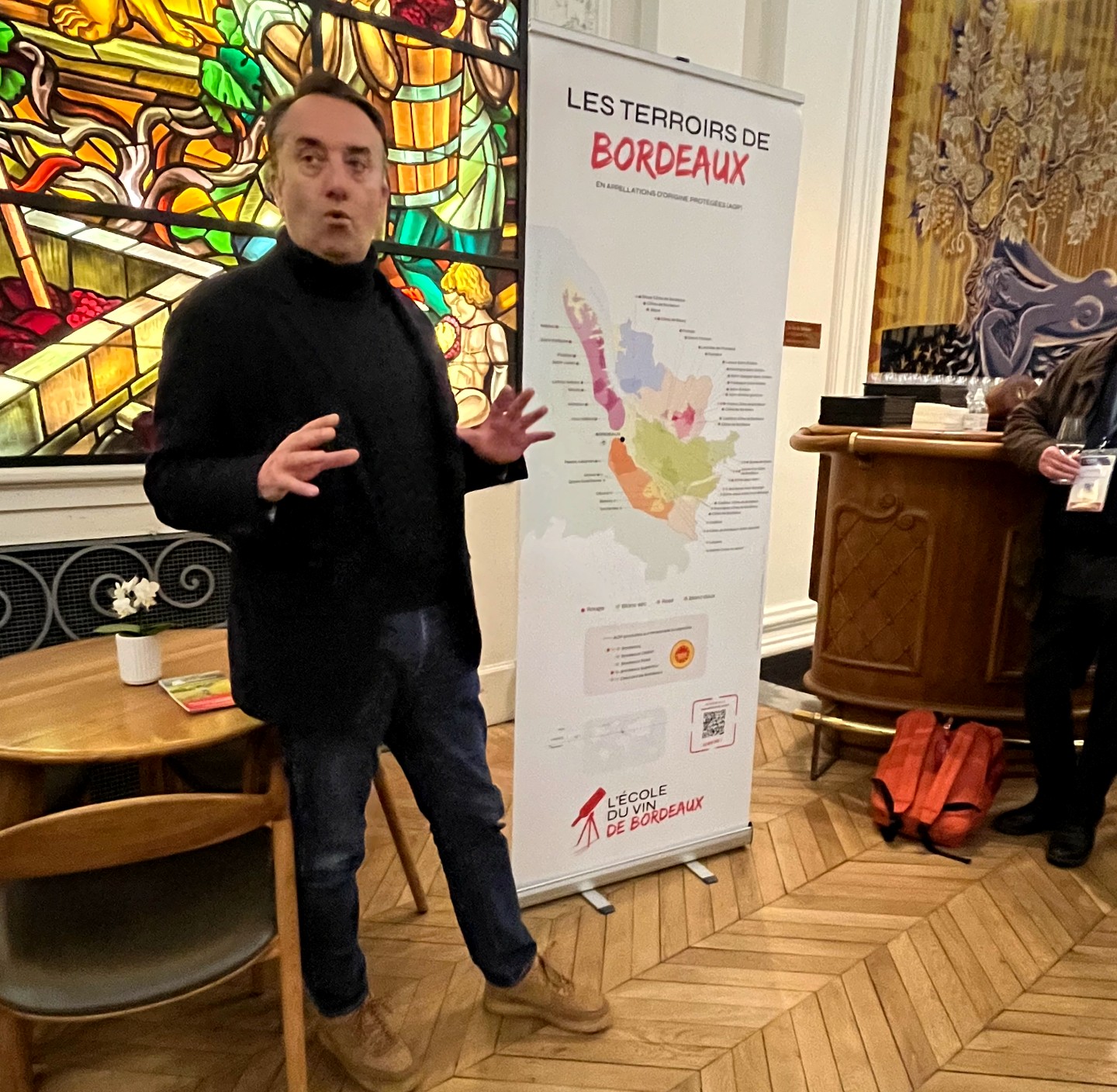
Bordeaux is quietly but meaningfully broadening its range. Crémant de Bordeaux is growing strongly. The newly launched Bordeaux Claret appellation revives a lighter, chilled, fruit-forward red style designed for contemporary drinking occasions. And in a step that would have been unthinkable just a few years ago, both the Médoc and Saint-Émilion appellations have opened the door to white wines – an acknowledgement that the region's own history is broader than its recent reputation suggests.
The CIVB's 'Join the Bordeaux Crew' campaign, launched in 2024, reflects a parallel shift in communication: moving from a product identity built around terroir and classification to a cultural identity built around people, passion, and story. The goal is not reinvention for its own sake, but a more human and accessible Bordeaux – one that overseas markets are ready to receive. The lesson is one that the whole of the wine world is wise to embrace.
Wine tourism featured prominently across conversations and visits to Great Wine Capitals Tourism Award winners, and one visit illustrated its potential memorably. At La Maison Cardinale in Saint-Émilion, owner Catherine Decoster has developed six distinct visitor experiences grounded in sensation, transmission, and emotion. One pairs music with wine tasting, guiding guests to connect the structure of carefully selected songs to the sensory experience of specific vintages. It works not as novelty, but because it grows from the genuine character of the people and the place – and visitors anywhere in the world, Catherine observed, can detect the difference between gimmick and authenticity.
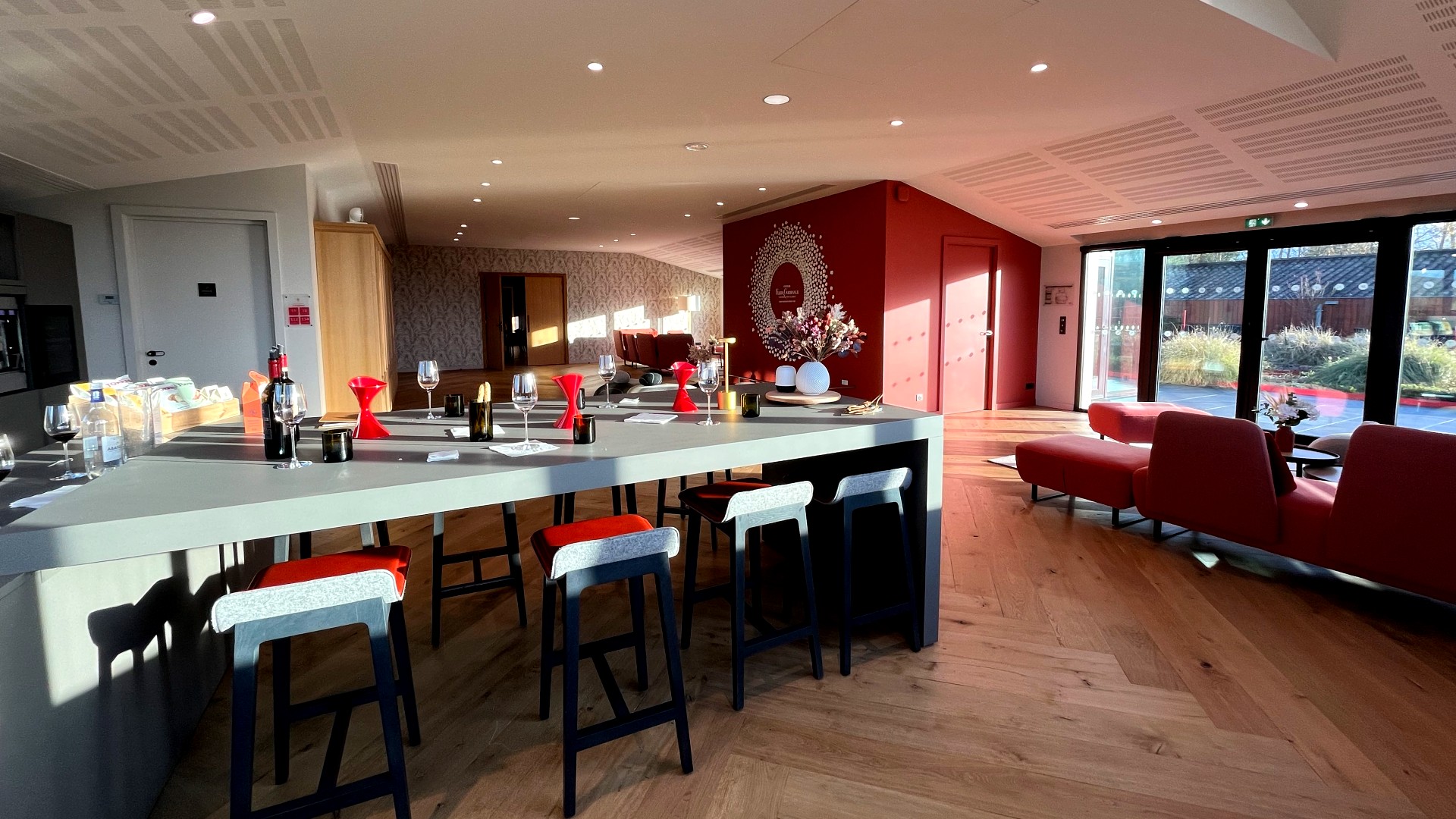
Her reflection offered a lesson for every wine region: if every estate tells the same story the same way, visitors leave thinking the region is a monoculture. Differentiation at the individual level is what gives the regional brand its texture.
For Great Wine Capitals members – particularly younger regions still consolidating their identities – the conversations yielded several durable insights. Strong identities are not static; they are living stories. Bordeaux's identity has always been in motion, and there is no fear in change as long as it is grounded in what is genuinely specific to the place and its people. Over-reliance on a single variety, style, or market creates fragility – diversity is not just risk management, it is what makes a richer conversation with the world possible. And commercial intelligence and production excellence do not always travel together: building relationships across the full value chain before you need them is far easier than rebuilding them under pressure.
The most lasting impression from two weeks in Bordeaux is of a region that has survived across two millennia by doing what the moment asked of it. Bordeaux's capacity for reinvention is not wishful thinking, it is written into the place itself – and that, perhaps, is the most useful thing any wine region can take from its story.
Sarah was supported by the Great Wine Capitals Outbound Knowledge Exchange bursary program.
Photos by Sarah Carlson