Exploring the future of wine
30 May, 2025 - Eleanor Bilogrevic
In March, I had the incredible opportunity to explore the evolving landscape of no- and low-alcohol (NoLo) wines in two of Europe’s most iconic wine-producing countries: Spain and Germany.
Thanks to the support of the Adelaide – Great Wine Capitals “Outbound Knowledge Exchange Bursary Program,” my trip focused on understanding how these two prestigious winemaking countries are navigating innovation while preserving tradition in the face of changing consumer demands. With the global wine market experiencing a shift toward moderation and mindful consumption, NoLo wines are no longer niche products – they are becoming mainstream. This journey provided a chance to observe first-hand how these regions are embracing (or resisting) this change.
Why Spain and Germany?
Spain and Germany were selected for their complementary strengths. Germany is known for its technical expertise and was an early adopter of alcohol-free wines, with both academic and commercial activity in this space. Spain, on the other hand, boasts a deep-rooted winemaking heritage and is leading in zero-alcohol sparkling wine production, particularly in regions influenced by consumer health trends. My focus was on two key regions: Rioja in Spain and Mainz in Germany. Both are well-established wine territories with a strong sense of regional identity, yet they differ in how they approach the NoLo category.

Spain: Tradition over transformation?
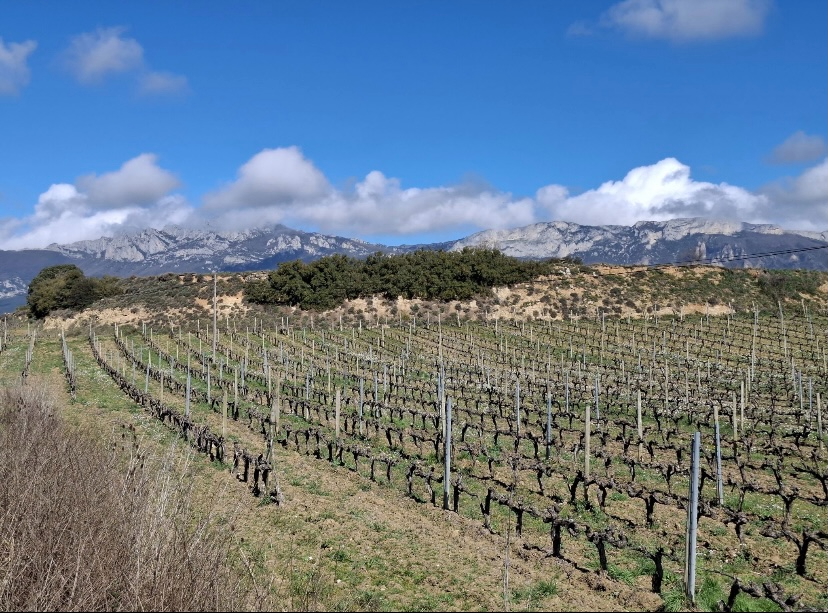
In Rioja, I repeatedly heard the phrase: “We don’t make alcohol-free wine in Rioja.” While this sentiment was echoed by academics, winemakers, and industry professionals alike, it didn’t reflect a lack of awareness or interest. Instead, it revealed the tension between tradition and innovation. Rioja’s regulatory framework currently prevents NoLo wines from carrying the prestigious regional label, which is tightly linked to specific product expectations. As a result, Spanish producers are creating alcohol-free wines outside the Rioja designation but they market them without geographic indicators.
One of the key insights was that many within the industry (particularly on-trade) are hesitant to embrace NoLo wines due to perceived quality issues. Sommeliers, wine writers, and retailers remain hesitant which limits products on shelves and ultimately, consumer exposure. Yet younger, health-conscious consumers are increasingly open to these alternatives, suggesting a gap between traditional gatekeepers and emerging market demands.
Germany: Embracing innovation
By contrast, Germany is forging ahead with confidence and innovation. Institutions like Geisenheim and Neustadt universities are investing in small-scale production and technical research to better understand and refine NoLo offerings. This research-backed approach is enabling German producers to improve taste, mouthfeel, and product appeal.
One standout visit was to Henkell-Freixenet in Wiesbaden, one of the world’s largest producers of zero-alcohol sparkling wine. With production levels at approximately 20 million bottles annually, they are setting the benchmark for commercial, large-scale NoLo products. Their goal is to be every 10th glass of sparkling wine poured globally – which, having seen their facilities, does not seem far-fetched.
German producers are also embracing the new EU regulations requiring nutritional and ingredient labelling. Instead of shying away, many are incorporating ‘natural flavours’ and alternative ingredients to enhance the sensory quality of their wines. The most successful products are those that re-imagine wine as a social, experiential beverage—rather than clinging to traditional definitions.
Unexpected discoveries: Cultural trends in moderation
Beyond formal NoLo wines, I encountered regional traditions that reflect an ingrained culture of moderate drinking. In Spain, Calimocho – a mix of red wine and Coca Cola – was a surprisingly popular, refreshing choice in tapas bars. In Germany, Weinschorle – wine mixed with sparkling water – was another beloved summer staple. These lower-alcohol offerings highlight how everyday moderation has long existed in local drinking cultures. Additionally, new beverages such as sparkling teas, wine-based cocktails, and infused tonics are rising alongside NoLo wines. These hybrids reflect a broader consumer desire for wellness, variety, and sensory enjoyment without the effects of alcohol.
Lessons for South Australian producers
The key learnings from this trip are that innovation must go hand-in-hand with flexibility and consumer insight. German success in the NoLo space is largely driven by cross-disciplinary collaboration and a willingness to push beyond traditional boundaries. Meanwhile, Rioja’s hesitance serves as a cautionary tale: protecting heritage is important but could halt innovations. South Australia, with its adaptable regulatory environment and vibrant research community, is ideally placed to take a leadership role in NoLo wine development. The growing appeal of NoLo products, especially among younger consumers, signals an exciting opportunity. Rather than viewing these wines as a compromise, producers can treat them as new creative avenues for incorporating alternative ingredients, embracing hybrid styles, and focusing on the experiential aspects of drinking. All of which could help create a diverse and appealing portfolio.
This journey was both educational and inspiring. It showed me not just what’s happening in Europe, but what’s possible in South Australia. Investing in research, innovation, and consumer engagement can position us at the forefront of this dynamic and fast-evolving category. The future of wine isn’t less – it’s different. And South Australia has the tools and talent to lead the way.
Eleanor was supported by the Great Wine Capitals Outbound Knowledge Exchange bursary program.
Photos: Eleanor Bilogrevic