Sustainability in Bordeaux
29 May, 2025 - Sid Pachare
In November 2024, I had the privilege of visiting Bordeaux through PIRSA’s Great Wine Capitals Knowledge Exchange Program, an experience that deepened my appreciation for the ways tradition and innovation can co-exist to shape the future of wine. As a winemaker and wine educator in South Australia, I sought out Bordeaux because of its leadership in sustainability, technological advancement, and its evolving work in no- and low-alcohol (NoLow) wine production, all areas crucial to the future of Australian wine.
My itinerary revolved around the Vinitech-Sifel conference, one of the most dynamic technical gatherings for the global wine and viticulture community. With sessions like All You Need to Know About NoLow Wines and Dealcoholisation, Which Red Wines for Tomorrow?, and How Tech Can Help the Wine Industry Build a More Sustainable Future, it was the perfect environment to gather insights that I could take home and apply in both my winemaking roles at Raga Wine and Watkins Wine Group, as well as through my wine education work with the South Australian Wine Industry Association (SAWIA).
Innovation with purpose
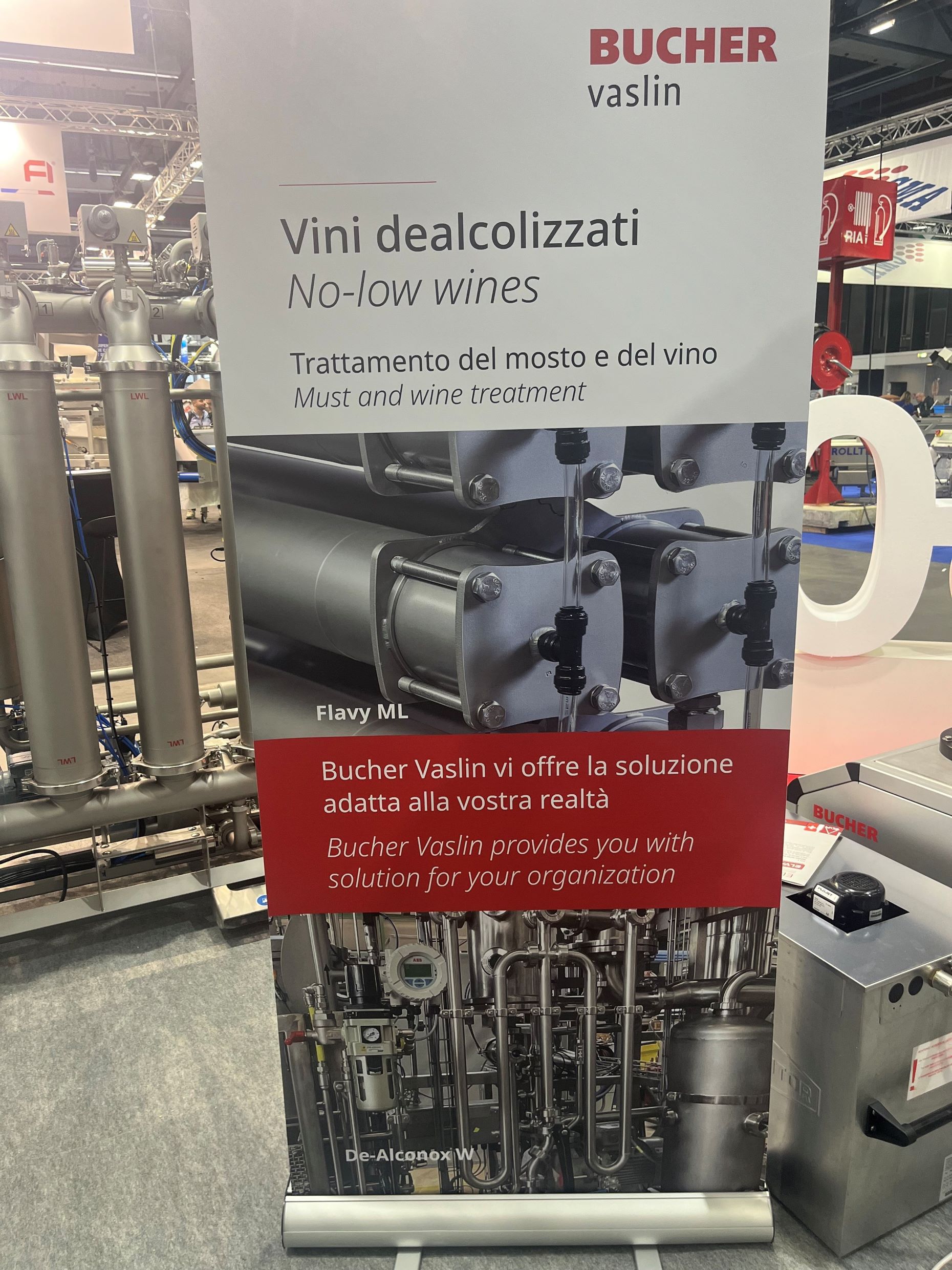
Bordeaux is a region that understands its identity and uses that understanding to future-proof its practices. NoLow wines, for example, are no longer considered fringe or experimental in Europe, they are a serious, growing category driven by health-conscious consumers and climate realities. I learned about various dealcoholisation methods that span every phase of the winemaking process. These include pre-fermentation techniques like early harvesting and glucose oxidase enzyme treatments, fermentation approaches using non-saccharomyces yeast, and post-fermentation technologies such as spinning cone columns and vacuum distillation.
Of particular interest were techniques like reverse osmosis and pervaporation, which show promise for preserving wine quality while reducing alcohol levels. This is especially relevant as we develop new styles at Raga Wine and trial NoLow production methods at Watkins Wine Group. Armed with this knowledge, I aim to strike a balance between alcohol reduction and sensory appeal in wines that still reflect site and variety.
Sustainability as a standard, not a statement
If there was one consistent theme across every vineyard and winery I visited, it was this: sustainability is not a trend; it’s the new normal. From legendary estates like Château Margaux and Château d’Yquem to the up-and-coming innovators at Château de Malle, Bordeaux’s producers are tackling climate change and biodiversity loss with remarkable intention.
At Château Haut-Bailly, I saw how sustainability has been built into everything from organic vineyard management and biodiversity corridors to architectural design that eliminates the need for air conditioning. Château Bélair-Monange’s regenerative approach, which includes resting soil parcels for up to seven years and prioritising biodiversity over short-term yield, is a long-term mindset we’re looking to emulate in Australia.
The practices I observed align with our own sustainability ethos. Watkins Wine Group is certified organic and members of AWISSP and seeing how Bordeaux integrates sustainability into tourism and heritage gives me new ideas to refine our own visitor experiences and vineyard management practices.
Cross-cultural learning and lasting connections
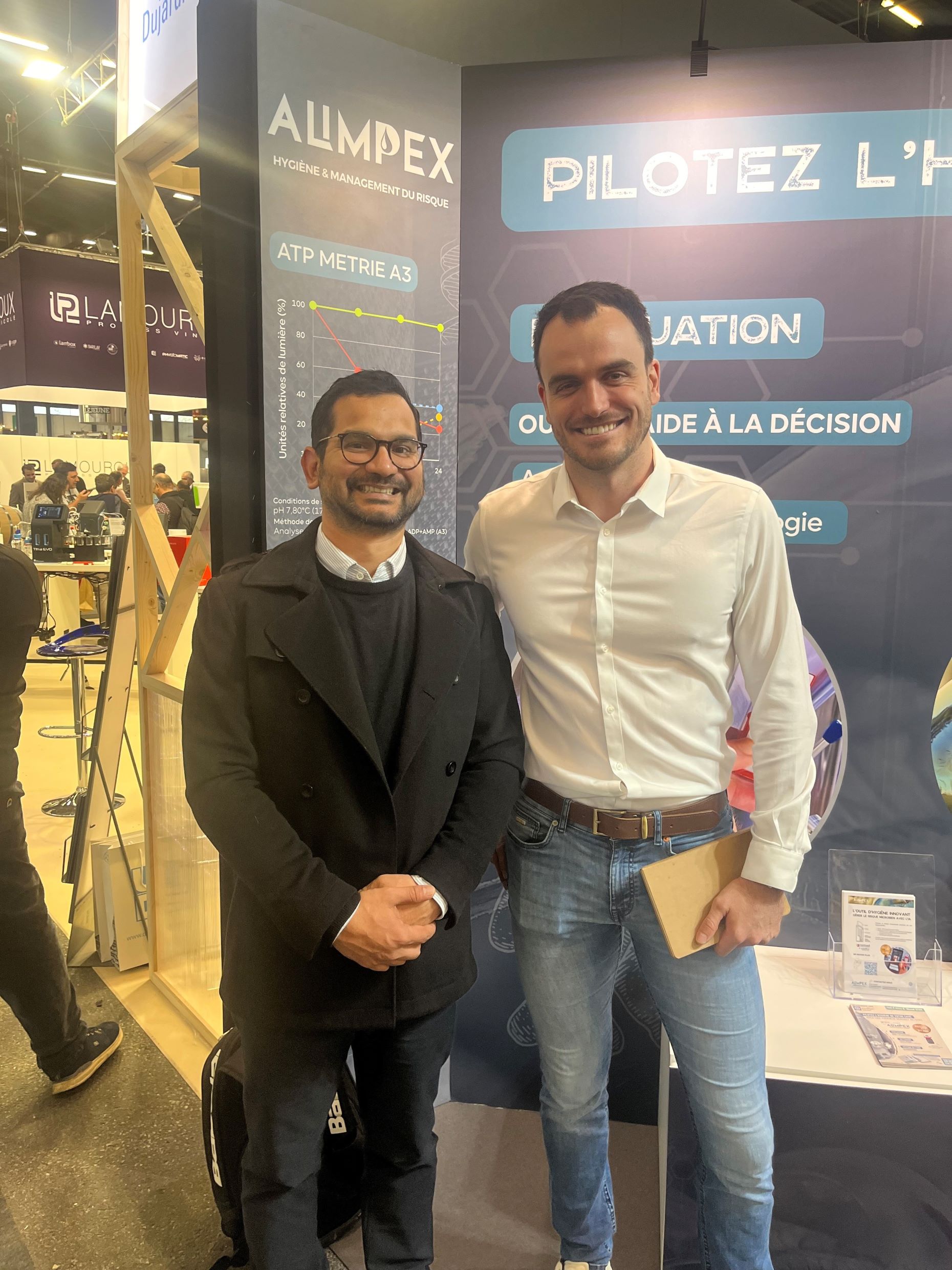
One of the most rewarding aspects of this trip was the opportunity to build meaningful connections with like-minded professionals. I met with Catherine Leparmentier, Managing Director of the Great Wine Capitals Global Network, who shared insights on the evolution of wine tourism and what regions need to thrive like quality wines, culinary excellence, accessibility, and a strong sense of place.
Lucie Lefèvre from Bordeaux’s Chamber of Commerce offered a unique perspective, having worked in McLaren Vale. We discussed the cultural nuances between French and Australian wine tourism and the importance of tailoring experiences to meet the expectations of younger wine drinkers who increasingly seek depth, meaning, and sustainability in their travel and tasting experiences.
I also reconnected with Leo Longuet, who completed a vintage with me in South Australia and now works as a wine educator in France. We exchanged thoughts on educational tools, wine styles, and how certain South Australian varieties, particularly lighter, aromatic reds might resonate with European consumers.
A path forward for South Australia
The knowledge I gained in Bordeaux isn’t just staying in my notebooks. It’s being actively integrated into three key areas of my professional life.
At Raga Wine and Watkins Wine Group, I’ll be trialling new NoLow methods, investing in climate-resilient viticultural practices, and pushing the envelope on sustainable winemaking. At SAWIA, I’ll use these global insights to update course material, lead new workshops, and help cellar door teams deliver wine experiences that are both environmentally and culturally relevant.
Importantly, I see growing potential in building bridges between South Australia and other Great Wine Capitals. Whether it's shared tourism initiatives, sustainability benchmarking, or internship opportunities (like our 2025 vintage placement of a young Bordeaux winemaker), the value of international exchange is immense.
Looking ahead
Bordeaux reminded me that the future of wine isn’t about abandoning tradition but evolving it with integrity. Innovation and sustainability are not opposites; they are partners. From the barrel hall to the vineyard block, the decisions we make now will determine the longevity of our regions and the relevance of our wines.
I’m grateful to the Hon. Clare Scriven MLC, the Great Wine Capitals steering committee, and everyone in Bordeaux who made this trip so enriching. I return to South Australia inspired and energised, ready to put these lessons into action for the vineyards, the wines, and the people behind them.
Sid was supported by the Great Wine Capitals Outbound Knowledge Exchange bursary program.
Photos: Sid Pachare