Communicating sustainability and engaging customers
27 May, 2026 - Sarah Lavelle
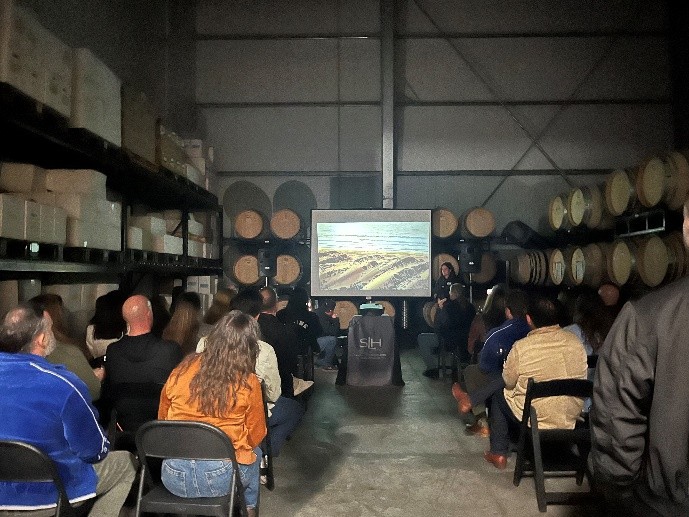
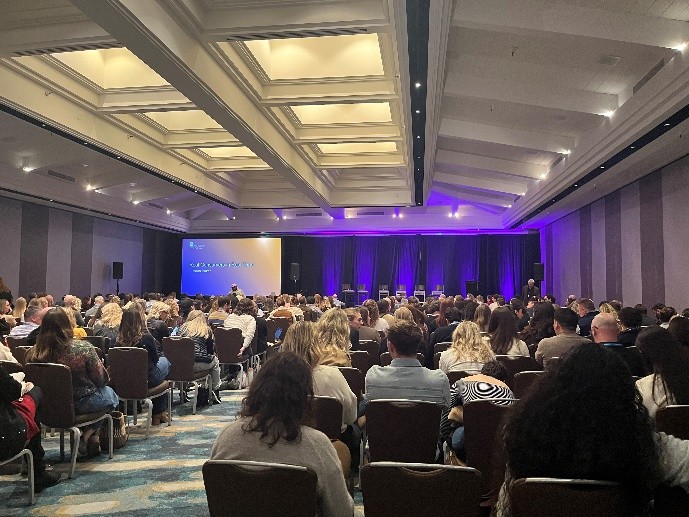
I’ve recently returned from an incredible few days in Napa Valley and Sonoma County—two regions often held up as global benchmarks for direct-to-consumer (DTC) wine strategy and tourism. The trip began at the DTC Symposium in Monterey, where a consistent message set the tone for everything that followed: “the rising tide lifts all boats.”
It’s a simple concept, but in practice, it speaks to something the Californian wine industry does exceptionally well—sharing knowledge, collaborating openly, and collectively lifting the standard.
Thanks to the Adelaide Great Wine Capitals Outbound Knowledge Exchange program, I had the opportunity to step outside the domestic market and take a closer look at how the world’s leading wine regions are navigating the same challenges we’re facing at home. And that’s the first lesson: the challenges are shared. Oversupply, declining consumption, and shifting consumer behaviour are just as real in California as they are in Australia. This isn’t a local downturn—it’s a global shift, and the regions responding best are those willing to evolve.
Getting under the skin of DTC – Moving beyond the product
The trip began at the DTC Symposium in Monterey, followed by a week of winery visits and industry meetings across Napa and Sonoma. From iconic estates to small, family-run producers, one thing became clear very quickly: success in today’s market isn’t about selling wine—it’s about building connection.
The most effective wineries aren’t leading with product. They’re leading with values. Values-led marketing is not treated as a layer added on top of the product, but as the foundation of the entire business. Heritage, sustainability, people, and place are clearly articulated and, importantly, consistently delivered across the entire value chain.
When that alignment exists across all touchpoints—from website to vineyard to cellar door—the experience feels seamless. When it doesn’t, the disconnect is obvious.
One of the strongest reminders from this trip was that every interaction—whether online or in person—is an opportunity to reinforce who you are and why you matter.
It’s not demographics—it’s people
A key shift in thinking is how deeply wineries understand their customers.
Demographics alone are no longer enough. Age, income, and postcode don’t tell you why someone is motivated to buy wine.
The benchmark in California is psychographic understanding—interests, motivations, values, behaviours. That level of insight is what allows wineries to design experiences that resonate.
And importantly, there’s a shift happening: from personalised experience to personalised service. It’s not just about delivering information well—it’s about reading the guest in front of you and shaping the experience in real time.
This is where wine becomes memorable.
Collaboration as a competitive advantage
Another standout was the level of collaboration across the region.
Initiatives like S.O.R.B.E.T (Sonoma Organic Regenerative Biodynamic Education Trust), founded by Sixteen600, bring together dozens of wineries to deliver sustainability education directly to consumers beyond the cellar door. It’s a shared-cost, shared-impact model—and it works.
 Similarly, the Wine Atlas Collective—eight wineries across five states with a shared wine club of 45,000 members—demonstrates how collaboration can drive acquisition, reduce churn, and increase visitation across all partners.
At a regional level, the openness around data is something we should be paying close attention to. DTC managers know their benchmarks—acquisition rates, churn, conversion—and use them to make informed decisions. It’s a level of transparency that builds confidence and drives improvement across the board.
Rethinking tourism and experience
Tourism in Napa and Sonoma is highly intentional. Experiences are structured, tiered, and designed with clear audiences in mind.
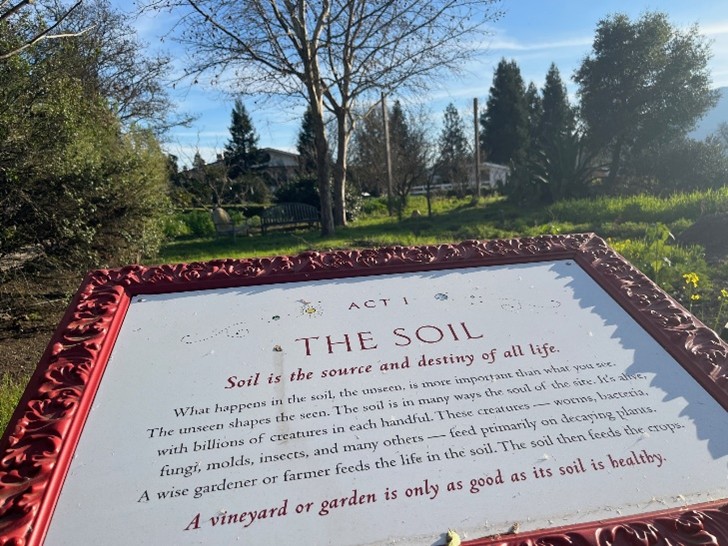
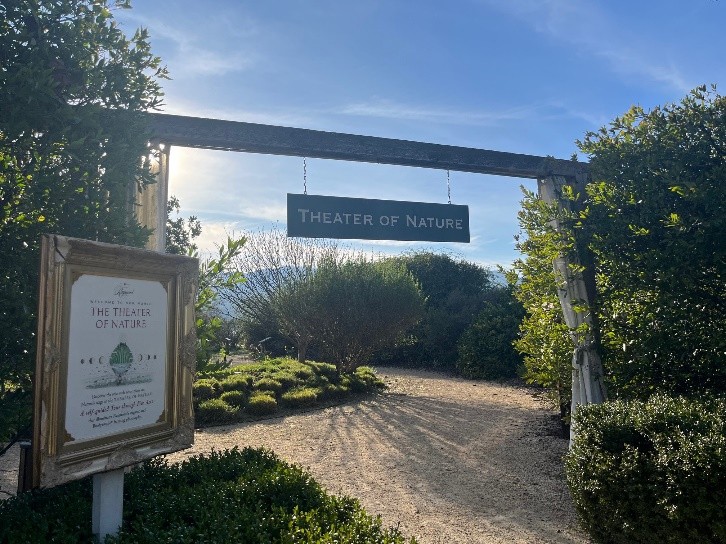
But perhaps most interesting is that some of the most impactful experiences are also the simplest. At Raymond Vineyards, sustainability education begins with a compost pile as you enter their “Theatre of Nature.” It’s engaging, emotional, and memorable. And it proves that meaningful experiences don’t need to be expensive or flashy—they just need to connect.
There’s also been significant growth in urban cellar doors, bringing the brand to the consumer rather than expecting the consumer to come to the region. It’s a powerful acquisition tool, particularly for younger audiences seeking accessible, social experiences.
So what does this mean for us?
 Consumption patterns are changing, expectations are evolving, and success will depend on our ability to adapt with agility. This is no longer just about selling wine—we are operating in an experience-led industry.
And experience is built on understanding people, communicating values with clarity, and creating moments that resonate.
For South Australia, the opportunity lies in how we respond. Investing in deeper customer insight, strengthening collaboration across regions, and being more intentional in how we design and deliver experiences will be critical. And as the symposium reminded us: the rising tide lifts all boats.
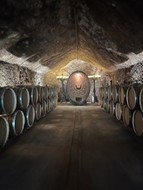
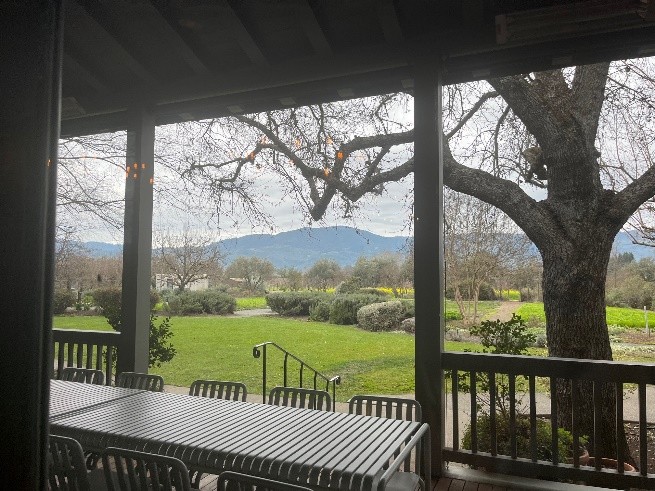
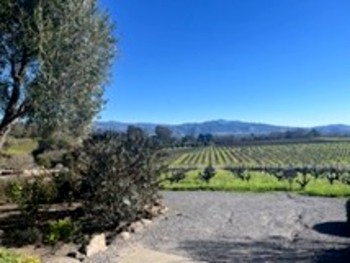
Sarah was supported by the Great Wine Capitals Outbound Knowledge Exchange bursary program.
Photos by Sarah Lavelle