Crossing ‘The Ditch’: Exploring the Frontiers of Sustainability and Innovation
27 May, 2026 - Yihe (Eva) Sui
Stepping off the plane in Auckland, New Zealand, I was hit by a strange sense of déjà vu. There is the familiar landscape, the same traffic rules, and the comfort of seeing Woolworths and Bunnings lining the roads. Yet, as I travelled further, the shades of this beautiful country began to reveal themselves. Everything is undeniably greener—the result of higher rainfall and humidity. There are no eucalyptus trees, no kangaroos, and certainly no koalas. Instead, sheep, cows, and the occasional deer are scattered across the rolling hills.
While the locals were complaining about the persistent rain and a particularly cool summer, I saw these conditions as the defining line between our two industries. Crossing ‘the ditch’ means entering a world of different viticultural pressures: cooler climates, higher disease pressure (particularly powdery mildew and botrytis), but without the sunburn and excessively high alcohol issues that we often struggle within Australia. The varietal landscape shifts too; while Sauvignon Blanc remains the giant, Pinot Noir is a major player, and the craftsmanship across other varieties is truly world-class.
Why Hawke’s Bay?
A central question of my trip, supported by the Adelaide Great Wine Capitals (GWC) bursary, was understanding why Hawke’s Bay holds the title of New Zealand’s wine capital.
The answer lies in the diversity and sheer craftsmanship of the winemaking I gradually came to appreciate during the trip. From Sauvignon Blanc and Chardonnay to Pinot Noir, Merlot, and Syrah, Hawke’s Bay is not just about white wine production; it is about precision. While Marlborough is known for large-scale, high-quality Sauvignon Blanc that has earned strong export success, Hawke’s Bay feels more like a gallery of viticultural expression. Here, viticulturists focus on vine balance and fruit quality to bring out the best expression of terroir.
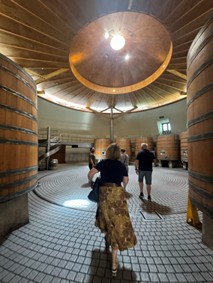
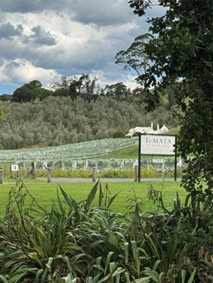
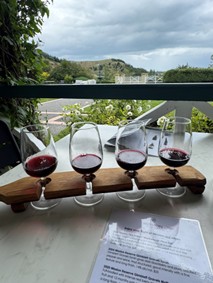
Visiting iconic estates like Craggy Range, Te Mata Estate and Mission Estate allowed me to see some of the best examples. There was a seamless synergy between the stunning natural landscape and the tasting environments, allowing the region’s scenic beauty to enhance the sensory experience of the wines. The visits also gave me a strong sense of each winery’s heritage and its popularity among tourists. Beyond the atmosphere, the tastings were a masterclass in regional typicity. Each flight was carefully selected to express the winemakers’ vision for different varieties, illustrating how Hawke’s Bay’s unique terroir shapes wine style. The exceptional quality of Hawke’s Bay Syrah impressed me most. The variety’s performance in this cool-climate maritime environment is characterised by vibrant aromatics and structural elegance. The Syrah from Te Mata Estate was a particularly good example. Its uniqueness stems from the renowned gravel soils, which impart a distinct richness and depth.
A standout observation during my trip was the seamless addition of the Great Wine Capitals (GWC) identity within Hawke’s Bay Airport. It was clear that the region views the airport not merely as a transport hub, but as the first and final touchpoint of a visitor’s immersive journey. The airport features several ingenious design elements that celebrate its GWC status, including iconic distance markers pointing toward other member cities and a large-scale QR code installation formed from wine bottles. Digital displays and scrolling screens further extend this narrative by sharing the region’s viticultural heritage and current honours. This soft branding ensures that the ‘Wine Capital’ experience begins the moment a traveller arrives and re-emphasises itself upon departure.
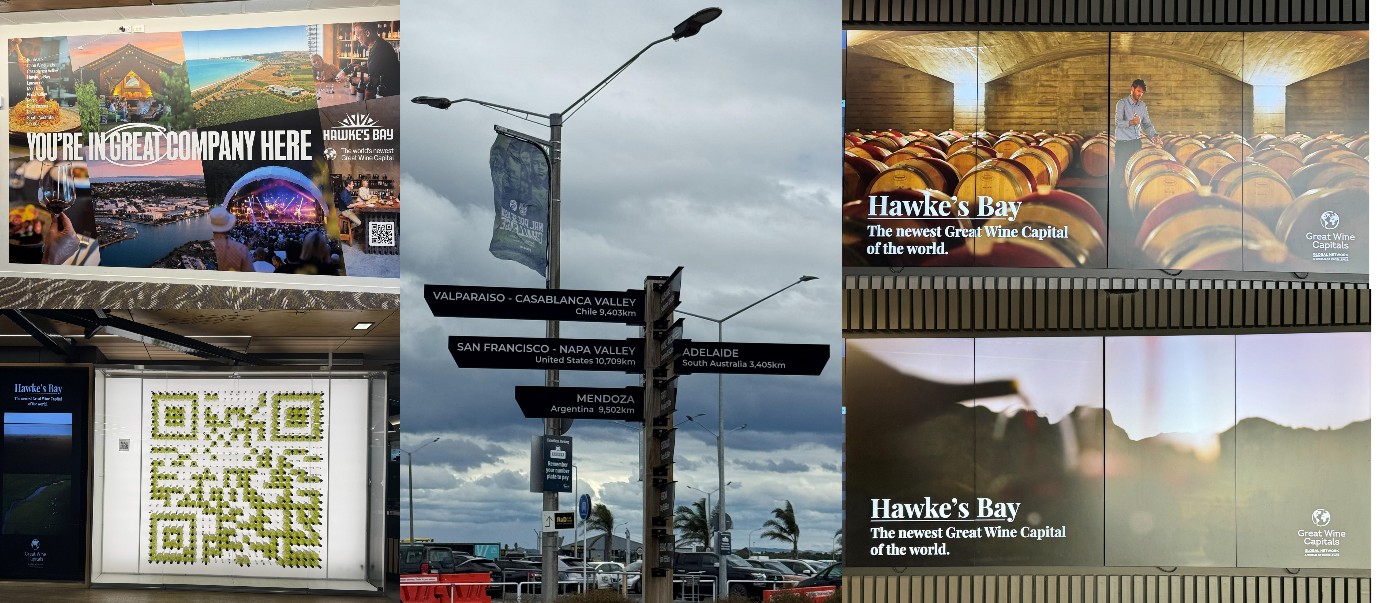
Collective photos of Hawke’s Bay airport GWC elements
Isights from ICCWS: Technology Meets Tradition
Another highlight of my journey was attending and presenting my research on membrane ultrafiltration at the International Cool Climate Wine Symposium (ICCWS) in Christchurch. It was an incredible platform to share how technology can be used to manage wine quality more sustainably. Another memorable aspect was the strong cultural respect shown towards Māori heritage throughout the conference.
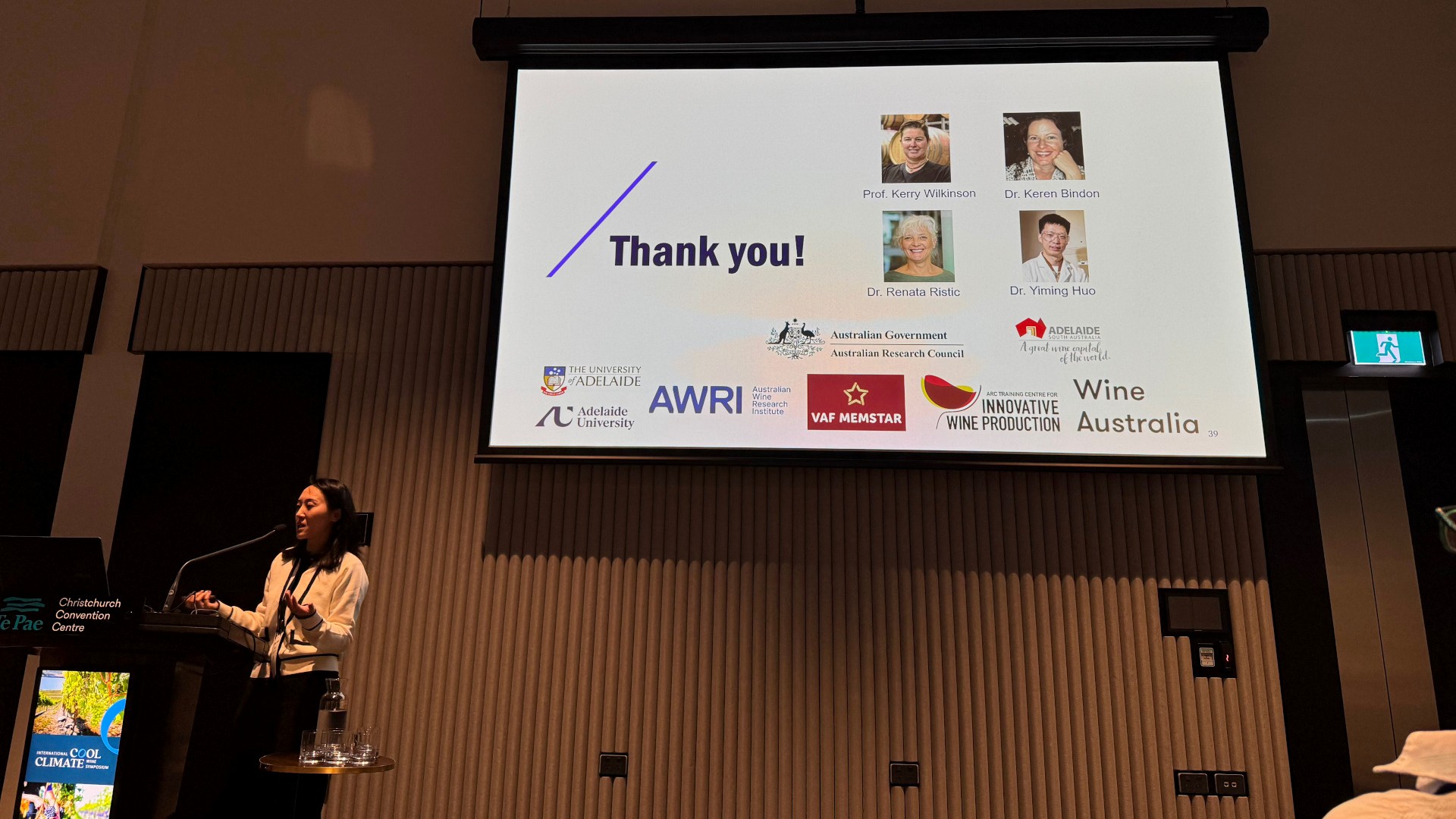
Presenting my research and acknowledging the support of the Great Wine Capitals bursary at ICCWS 2026.
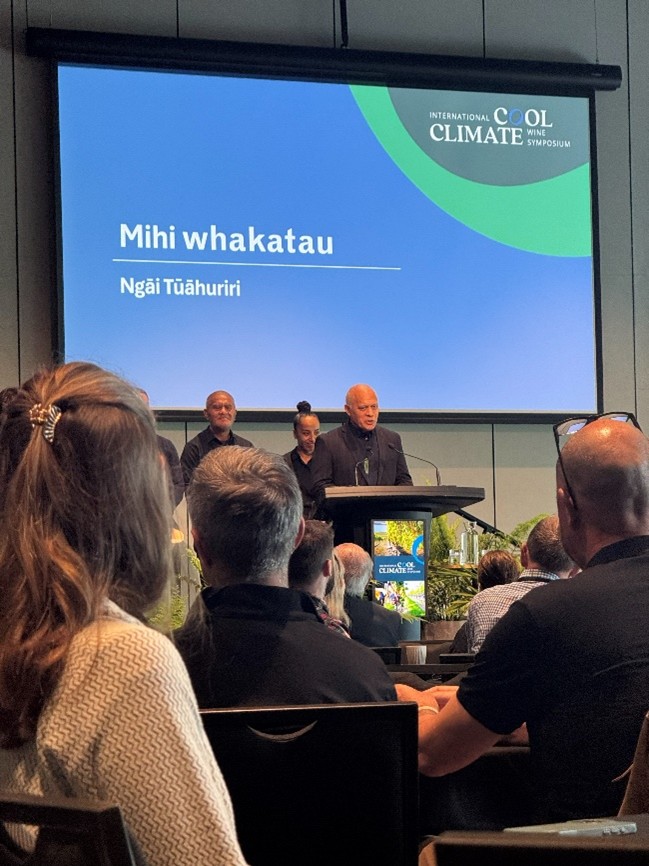
Welcome ceremony at the 2026 ICCWS
The openness of the New Zealand industry to new ideas was inspiring. It was fascinating to see how research into NOLO (No- and Low-Alcohol) products is moving beyond the cellar (Figure 7). It is no longer just a winemaking decision; it is increasingly becoming a viticultural one, with trials now extending into vineyard management to tailor fruit specifically for lower-alcohol profiles.
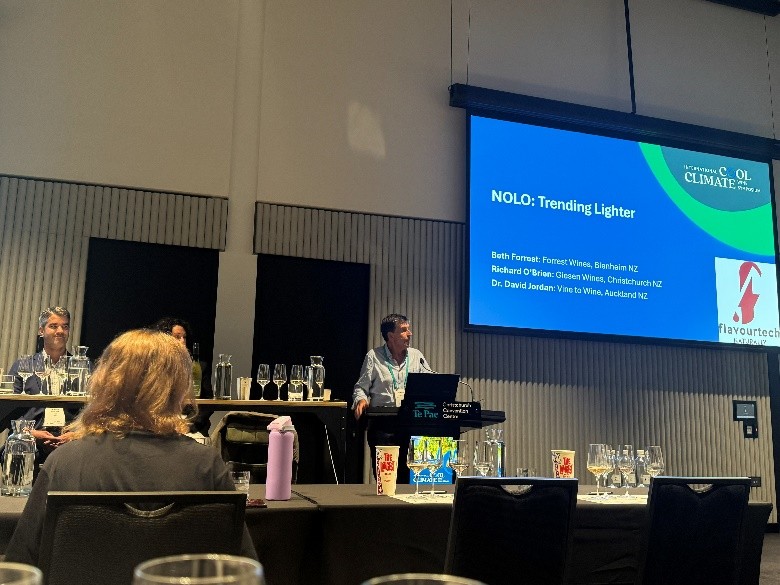
Wine tasting session of the NOLO wine products
Sustainability as a cultural norm
My research focuses on sustainable management strategies for protein and phenolic compounds, echoing New Zealand’s approach to sustainability. With Sustainable Winegrowing New Zealand (SWNZ) celebrating 30 years, it’s clear the industry (also all NZ people) sees itself as a caretaker of the land, rather than just using it for profit.
This was reinforced across almost every visit. The industry showed a strong willingness to collaborate, share knowledge, and adopt technologies that improve efficiency while reducing waste. In practice, that openness is supported by long-term industry frameworks and a strong research culture, giving New Zealand wineries a clear platform for continuous improvement.
The Engine Room of Innovation: Marlborough Research Centre
The visit to the Marlborough Research Centre (MRC), where the Bragato Research Institute (BRI) is located, exceeded my expectations. It is a genuinely collaborative hub where industry levies directly fund cutting-edge research.
Walking through the BRI facilities, I cannot help but start imagining what I could do with the state-of-the-art infrastructure. Their automated research winery can run multiple simultaneous fermentation trials at scales ranging from 17 L up to 220 L (Figure 8), allowing for precise and highly controlled fermentation trials. It was also inspiring to see their proactive approach to regional challenges, including the upcycling of grape marc (pomace) and the use of automation to help address labour shortages.
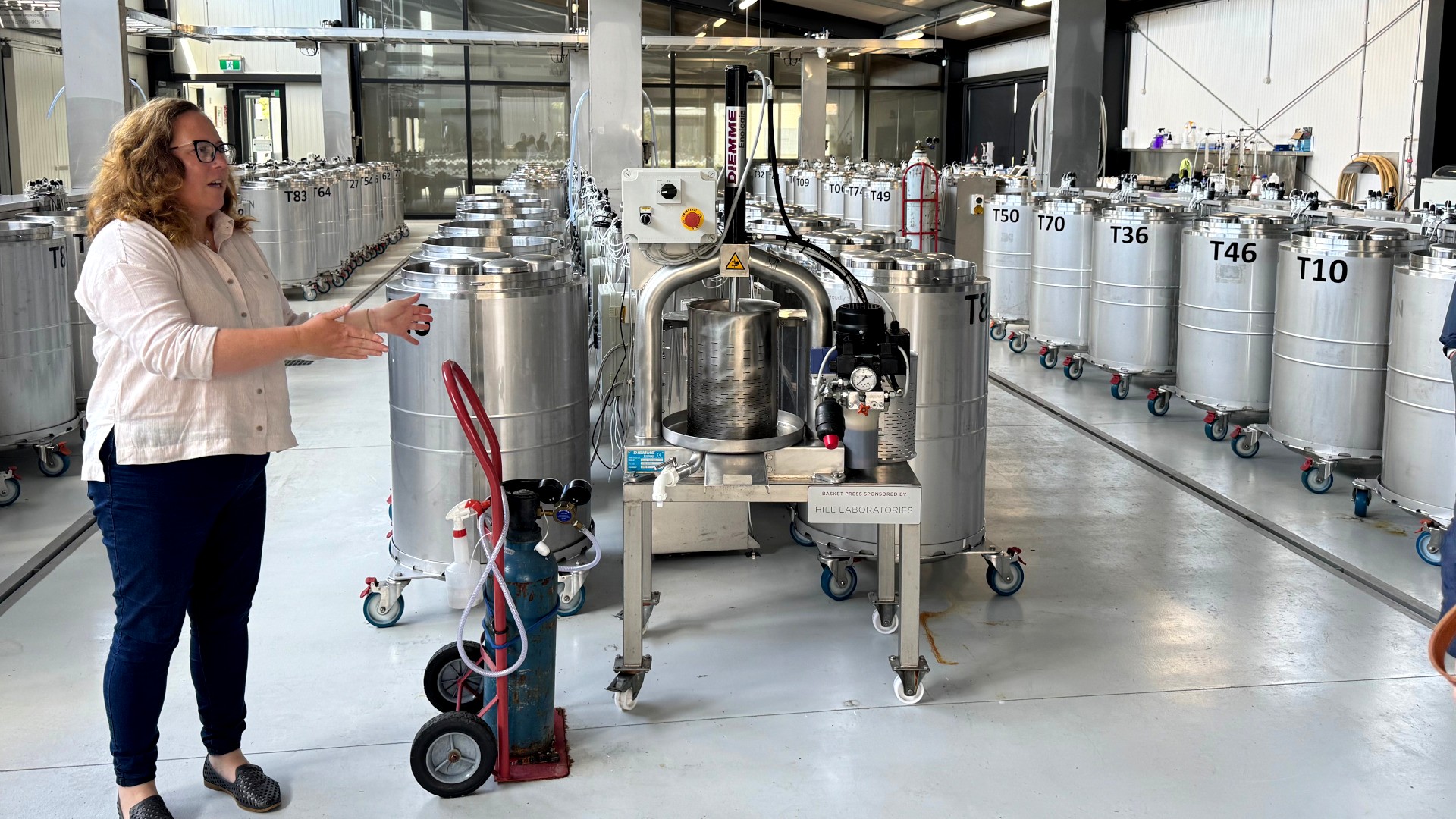
BRI Winemaker demonstrated the purpose built equipment and the research winery
Scale Meets Precision: Regional winery visits
A common theme across my visits to industry giants such as Delegat (Hawke’s Bay), Indevin, and Constellation Brands (Kim Crawford) was the seamless integration of massive scale with production precision.
At Delegat’s Hawke’s Bay winery, I was impressed by their future-focused design. Despite its vast capacity, a lean team of just four to five people manages the production via a high level of automation. Their barrel programme, handling 6,000 barrels, is almost entirely automated to minimise human handling, error and the risk of Brettanomyces. I also saw the Southern Hemisphere’s largest Flash Détente system, which they use to manage colour extraction and mitigate risks in challenging seasons. Even the physical design of the winery reflected their low carbon footprint mindset: light-coloured flooring encourages natural light reflection and visibility, contributing to a safer and more efficient working environment.
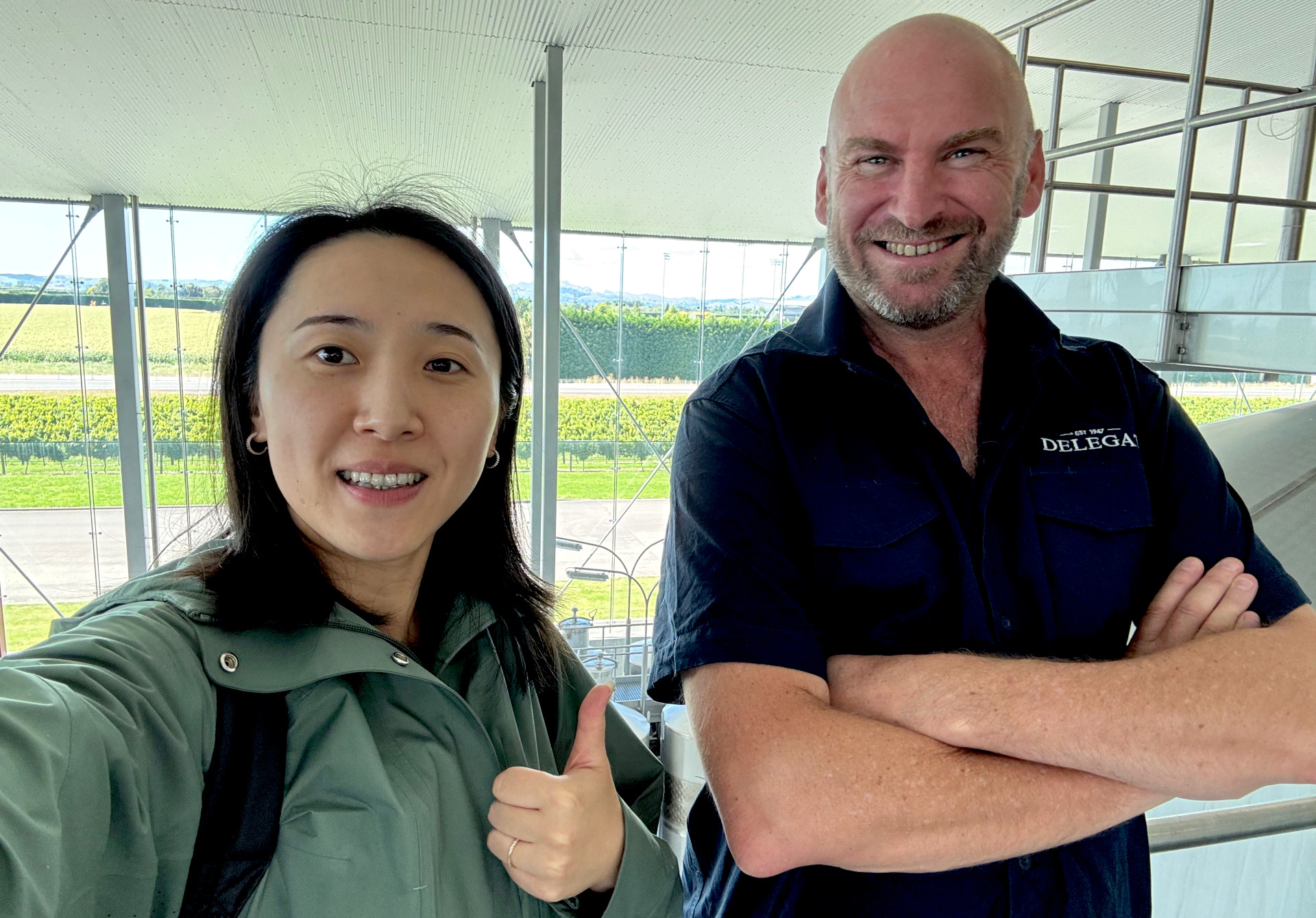
Photo with the winemaker Scott Osborne at the Delegat’s Hawke’s Bay winery.
Indevin’s focus on processing efficiency further underscored this practical, low-carbon approach to large-scale production. Their willingness to trial plant-based fining agents as an alternative to PVPP aligned closely with my own research interest in more sustainable winemaking approaches.
Industry takeaways
Hawke’s Bay demonstrates that regional identity is built on diversity, craftsmanship, and terroir expression, not just production volume. Across New Zealand, technology is not seen as a threat to tradition but as a tool to support quality, efficiency, and sustainability. Flotation was widely used as a practical example of this mindset, helping wineries improve efficiency and reduce waste. At the same time, NOLO research is increasingly moving into the vineyard, showing that viticultural decisions are becoming part of the decision making for shaping final wine style.
There are also still challenges. The upcycling of grape pomace and marc remains constrained by cost and practicality. Nonetheless the broader picture is clear: New Zealand’s wine industry has been a great demonstration where sustainability, innovation, and research collaboration are not side projects, but part of mainstream production.
Want to connect and have a chat?
Linked in: Yihe Sui
Adelaide University Profile: Yihe Sui
Yihe (Eva) was supported by the Great Wine Capitals Outbound Knowledge Exchange bursary program, and Wine Australia.
Photos by Yihe (Eva) Sui