Adventures in South America
29 May, 2025 - Natalia Caliani
I recently had the incredible opportunity to embark on a research and professional development trip to South America, thanks to the Great Wine Capitals scholarship. This journey took me to two key Great Wine Capitals: Mendoza in Argentina, and Casablanca in Chile. These experiences were pivotal, expanding my knowledge of sustainability and innovation in the wine industry and allowing me to connect with some amazing people.
Why Mendoza and Casablanca?
My first stop was Mendoza, Argentina. This world-renowned wine region was the perfect location for the 15th International Terroir Congress, where I had the privilege of presenting my research to a global audience of experts. But Mendoza is also a place of personal significance. It's where my wine career truly began, as I conducted my Bachelor's thesis research on non-traditional South American grapevine varieties here. Returning to present at such a prestigious congress felt like a beautiful way to close a cycle.
Next, I crossed the majestic Andes mountains and headed to Casablanca, Chile. This Great Wine Capital offered a different, but equally fascinating experience. I was drawn here by the region's unique climate, influenced by the Pacific Ocean, morning fog, and Antarctic winds, which creates the perfect conditions for crisp Sauvignon Blanc, one of my favourite varieties, and cool climate Shiraz. More than that, I wanted to explore Casablanca's innovative and sustainable winemaking practices.
A deep dive into wine and innovation
My trip wasn't just about sightseeing (though the landscapes were breathtaking!). I had several key goals:
- Sharing my research: I wanted to share my PhD research findings with the international scientific community.
- Exploring terroir: I aimed to learn how research translates into innovative winemaking techniques that highlight a wine's terroir and regional characteristics.
- Sustainability in action: I wanted to investigate how wineries are tackling climate change through sustainable practices like exploring new terroirs, refining vineyard management, adopting alternative grape varieties, and implementing carbon farming and circular economy principles.
- Building connections: I sought to connect with international researchers and industry leaders.
- Learning from government initiatives: I was also keen to learn about government programs supporting the wine industry.
Mendoza: A hub of knowledge and collaboration
Mendoza was a whirlwind of activity! Presenting at the 15th International Terroir Congress was a highlight. I received invaluable
feedback on my research from leading experts. The congress also included field trips to iconic vineyards and wineries like Catena Zapata, Doña Paula, Lagarde, and Terrazas de los Andes, giving me a deeper appreciation for Argentinian wines.
I also had the chance to discuss potential collaborations with researchers from INTA Mendoza and the National University of Cuyo, focusing on innovative solutions like agrivoltaics – the co-location of agriculture and solar panels – to mitigate climate change. A meeting with the wine microbiology department at INTA Mendoza revealed their fascinating work on leveraging vineyard microbial populations to enhance wine quality. I also met with Paola Falconi from Biovin, where I learned about their joint venture with INTA Mendoza, developing a rapid method to detect Brettanomyces bruxellensis in wine using flow cytometry principles.
Casablanca: Sustainability and innovation in action
Casablanca was equally inspiring. I was honoured to attend the Best of Wine Tourism Gala, where my research and exchange trip received a special mention! I also had the opportunity to connect with industry leaders, including Roberto Meiss, and share my experiences through local media interviews.
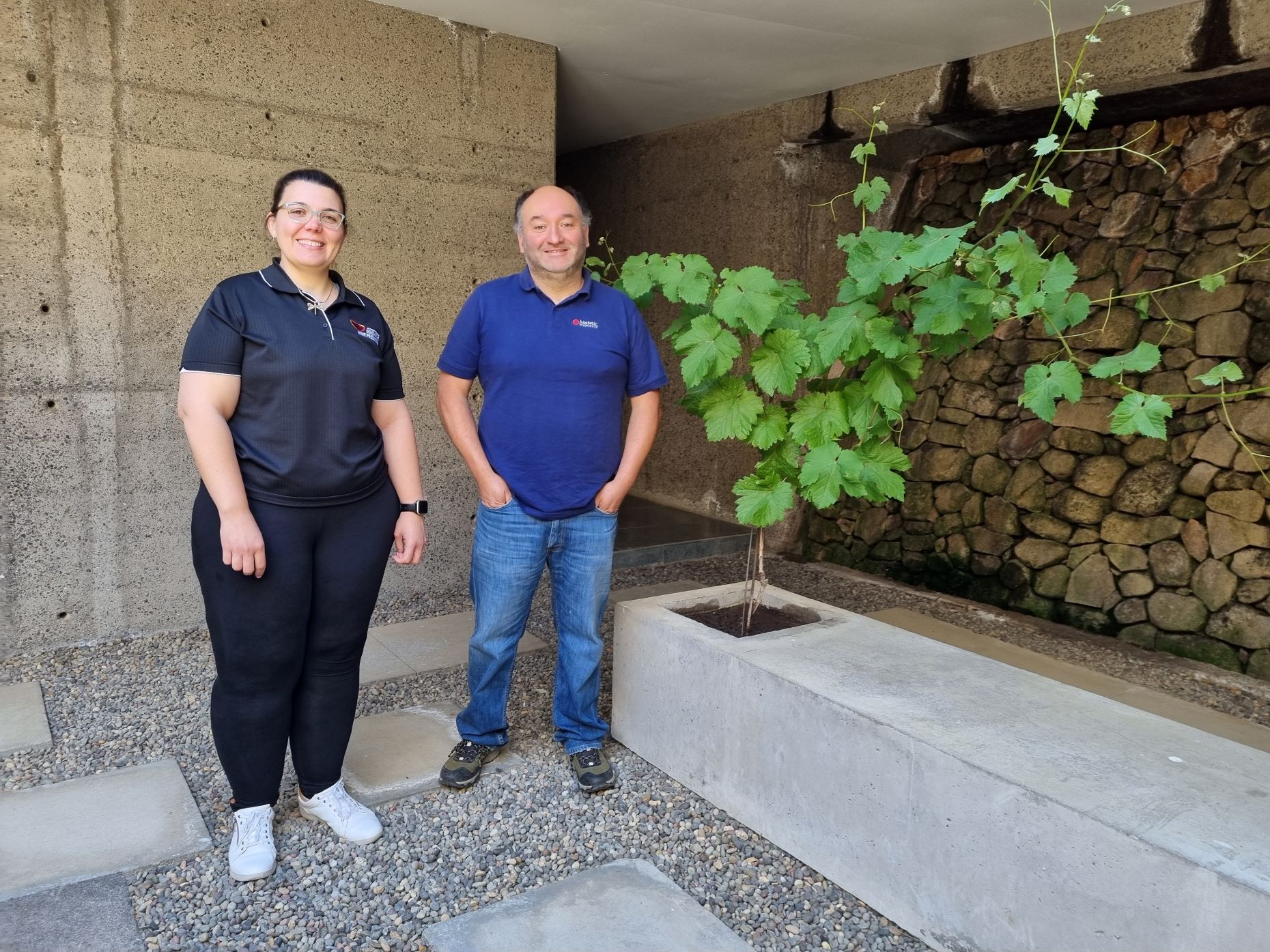
I had the privilege of interviewing Noelia Orts from Emiliana Organic Wines, learning about their study on native microbial diversity and how they use these microorganisms in their winemaking. A visit to Bodegas Re showcased their unique approach to winemaking, using clay jars and natural microflora. At Matetic Vineyards, I delved into their organic and biodynamic practices, gaining insights into vineyard management and sustainable wine production. My visit to Casas del Bosque highlighted their commitment to regenerative practices for soil health and water conservation.
I was also impressed to learn that Casablanca is a recognised sustainable valley, supported by the Chilean government's Clean Production Program.
Key takeaways
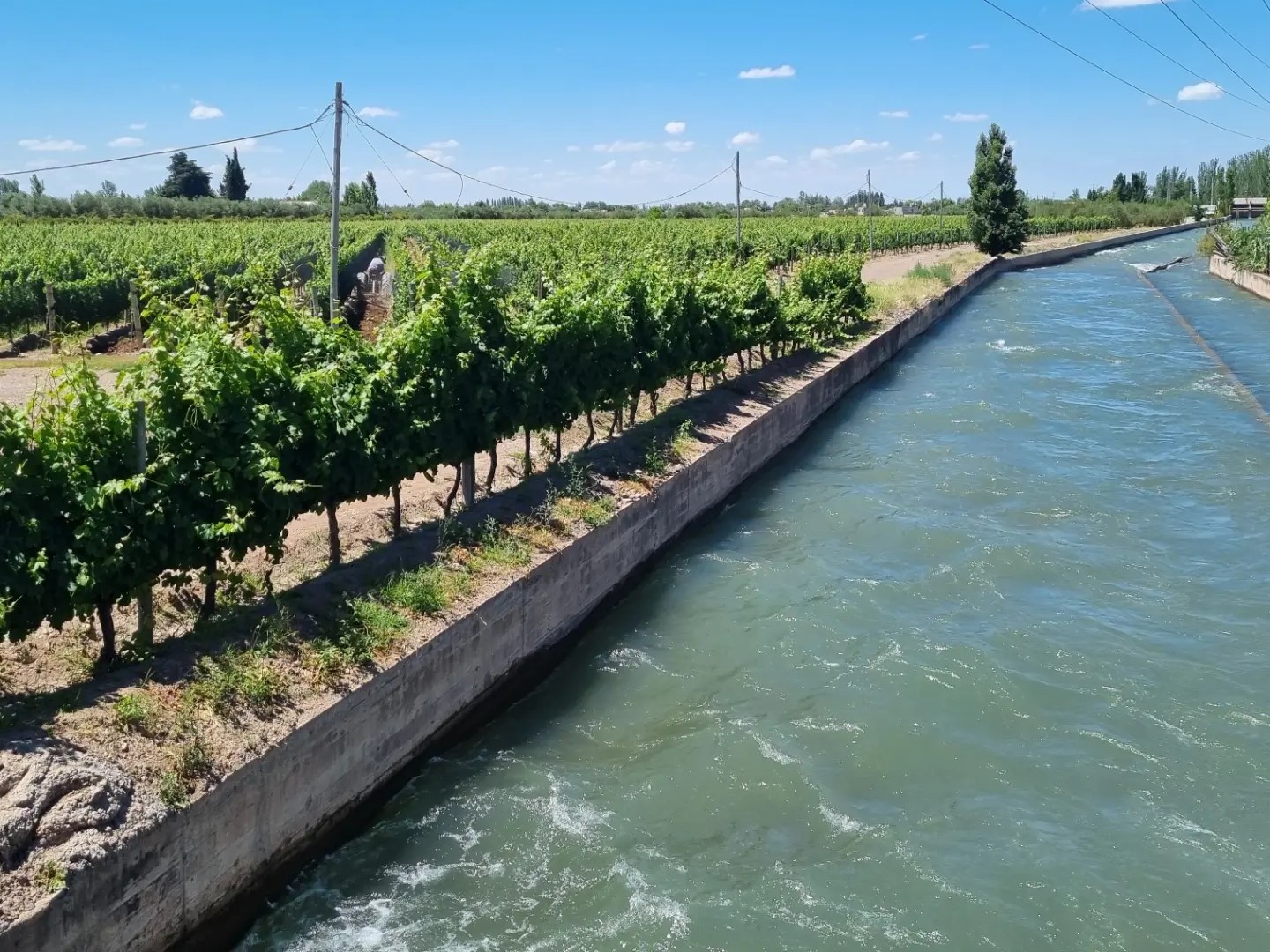
One of the most significant takeaways from my trip was the stark reality of water scarcity. It's a global issue, and both Mendoza and Casablanca are feeling its impact.
In fact, a conversation with a vineyard manager at Bodega Matetic really brought this home. They shared that the winery has had to make tough choices about which vineyard blocks to irrigate due to insufficient rainfall to replenish their aquifer. This example underscores the urgent need for the wine industry to embrace innovation and research to mitigate the effects of climate change.
Other key learnings include:
- Mendoza: The importance of international collaboration and knowledge sharing to address challenges like climate change. The potential of translating wine microbiology research into practical tools for enhancing wine quality and expressing terroir.
- Casablanca: The practical application of sustainability, from regenerative practices to regional sustainability initiatives.
Applying my learnings in South Australia
I'm eager to apply my newfound knowledge and connections to benefit the South Australian wine industry. I plan to:
- Share my insights: I will share what I've learned about sustainable practices and climate change mitigation with local growers and winemakers. I will do this during the Great Wine Capitals Outbound Exchange Bursary event, social media posts (Facebook, Instagram, X, and LinkedIn), and teaching sessions for the new generation of wine professionals.
- Foster collaboration: I will leverage the connections I made in Mendoza and Casablanca to pursue collaborative projects focused on climate change resilience and adaptation, such as the Agrivoltaics project.
- Promote sustainability: I will advocate for the adoption of sustainable practices to enhance the environmental sustainability and competitiveness of our wine industry.
- Enhance industry competitiveness: By sharing knowledge and fostering collaboration, I aim to contribute to innovation and help our wine industry thrive.
A toast to the future
My trip to Mendoza and Casablanca was an incredible journey of learning, connection, and inspiration. The Great Wine Capitals scholarship provided invaluable opportunities, and I'm excited to use what I've gained to contribute to a sustainable and innovative future for the South Australian wine industry.
Want to connect and learn more?
Connect with me on:
- Facebook: facebook.com/natalia.caliani
- Instagram: instagram.com/naticaliani
- X: @NS_Caliani
- LinkedIn: linkedin.com/in/natalia-soledad-caliani
- Follow my research on: https://researchers.adelaide.edu.au/profile/natalia.caliani
Natalia was supported by the Great Wine Capitals Outbound Knowledge Exchange bursary program.
Photos: Natalia Caliani