Terroir Congress, Mendoza
30 May, 2025 - Dr. Cristobal Onetto
Earlier this year, I had the honour of representing South Australia and the Australian Wine Research Institute (AWRI) at the 15th International Terroir Congress held in Mendoza, Argentina.
This international event brought together leading experts in viticulture, plant material selection and broader wine sciences, providing an ideal platform to showcase the outcomes of over four years of clonal germplasm research conducted at AWRI. It also offered a unique opportunity to engage with researchers, growers and industry leaders from around the world, sharing ideas and learning about advancements in other major wine-producing regions.
My presentation focused on the development and application of a grapevine clonal identification pipeline, highlighting innovative approaches that advance clonal selection and genetic characterisation in the wine industry. This pipeline enables more precise identification and differentiation of grapevine clones, supporting growers in selecting the most suitable plant material for their specific environments and production goals. The presentation was very well received by both research and industry participants, generating valuable feedback and leading to discussions with growers from different regions who expressed strong interest in accessing clonal identification services.
Beyond the conference presentations, the program included technical tours to two key vineyard sites in the Uco Valley. These visits provided a clear snapshot of the dramatic variability in terroir across the Mendoza region, one of Argentina’s most celebrated wine areas. We explored how factors such as soil composition, geological formations, microclimate variation, the water cycle, and growing degree days influence grapevine growth, fruit development and wine style.
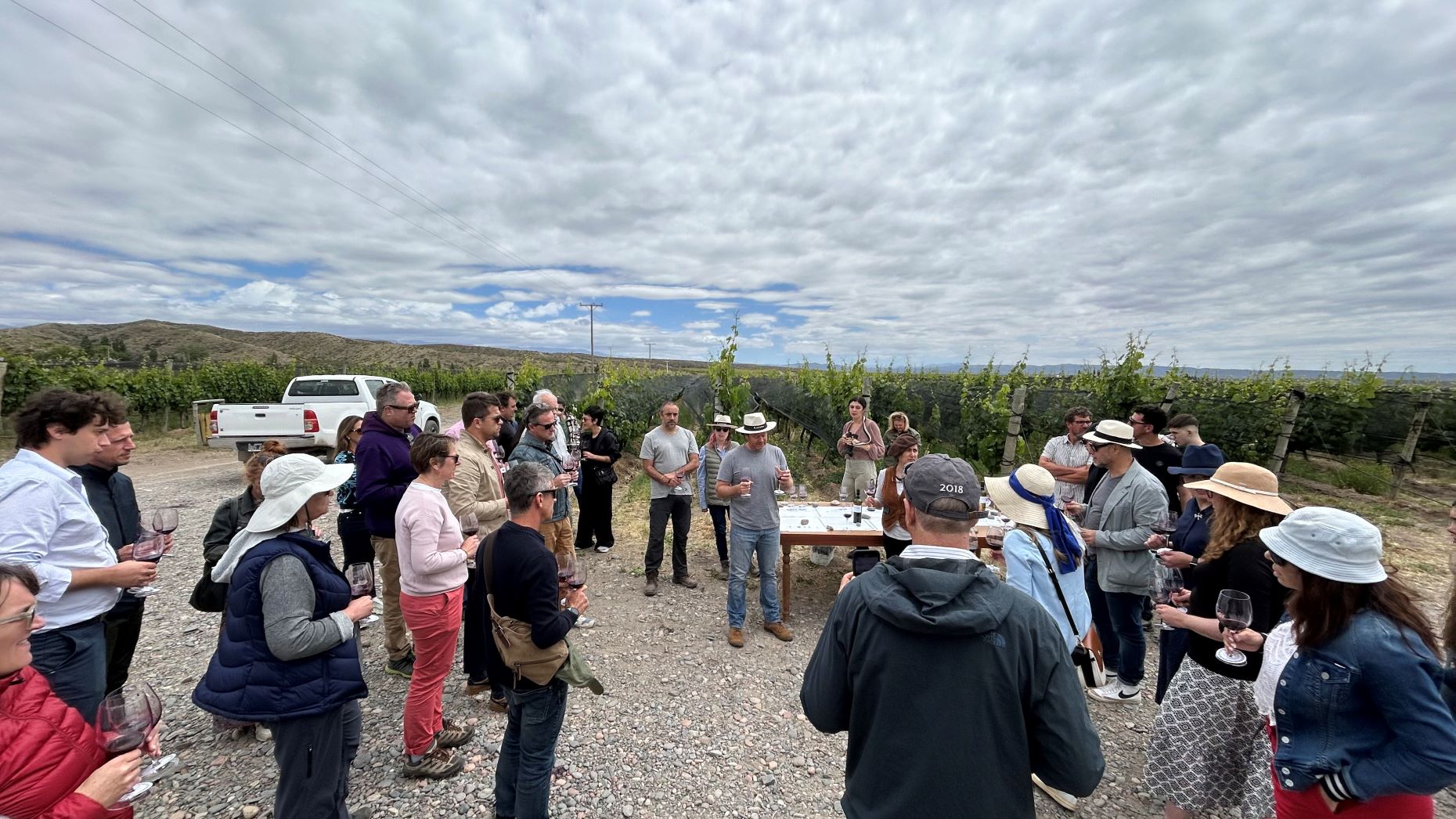
Visiting the Adrianna Vineyard and learning about the different clones planted in this high-altitude site
We also attended the Terroir Wine Fair organised by Wines of Argentina (WOFA), an event that featured sixteen producers from across Argentina, stretching from Río Negro in Patagonia to Salta in the north. This was a unique opportunity to taste a wide range of wines representing different climates, elevations, and soil types, and to engage directly with producers about their vineyard practices and regional challenges.
In addition to the conference and technical tours, I met with experts in grapevine genetics from IBAM, Argentina (Instituto de Biologia Agricola de Mendoza) and ICVV, Spain (Instituto de Ciencias de la Vid y del Vino). These meetings allowed for an exchange of ideas on different approaches to clonal identification and genome research and opened discussions around future collaboration opportunities. Strengthening these international research connections will enhance AWRI’s research capabilities, providing access to new resources and methodologies that will support the ongoing advancement of grapevine genetics research in South Australia.
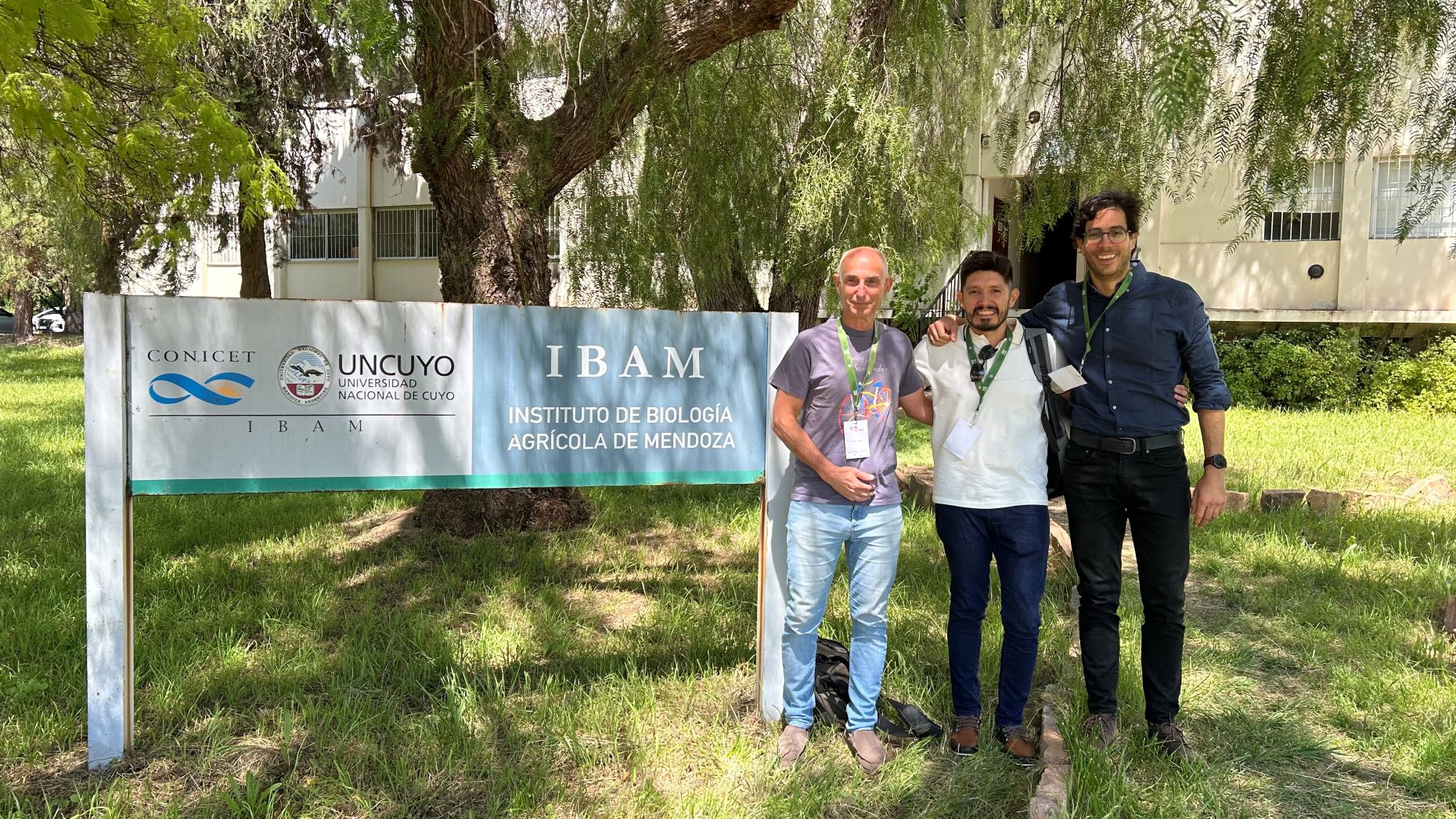
Visiting IBAM and meeting with researchers in grapevine genomics
Overall, the opportunity to present our research on an international stage, engage with global experts, visit vineyard sites located in high-altitude climates and establish new research partnerships was very rewarding. Attending this congress provided me with a clear view on the critical importance of region-specific research and innovation in maintaining a resilient and competitive wine industry that is equipped to meet future challenges, including those related to climate variability and changing market demands.
I look forward to applying the lessons learned during this experience to continue supporting South Australia’s leadership in grapevine genetics research.
Cristobal was supported by the Great Wine Capitals Outbound Knowledge Exchange bursary program.
Photos: Cristobal Onetto.